SUBSCRIBE TO OUR FREE NEWSLETTER
Daily news & progressive opinion—funded by the people, not the corporations—delivered straight to your inbox.
5
#000000
#FFFFFF
To donate by check, phone, or other method, see our More Ways to Give page.


Daily news & progressive opinion—funded by the people, not the corporations—delivered straight to your inbox.

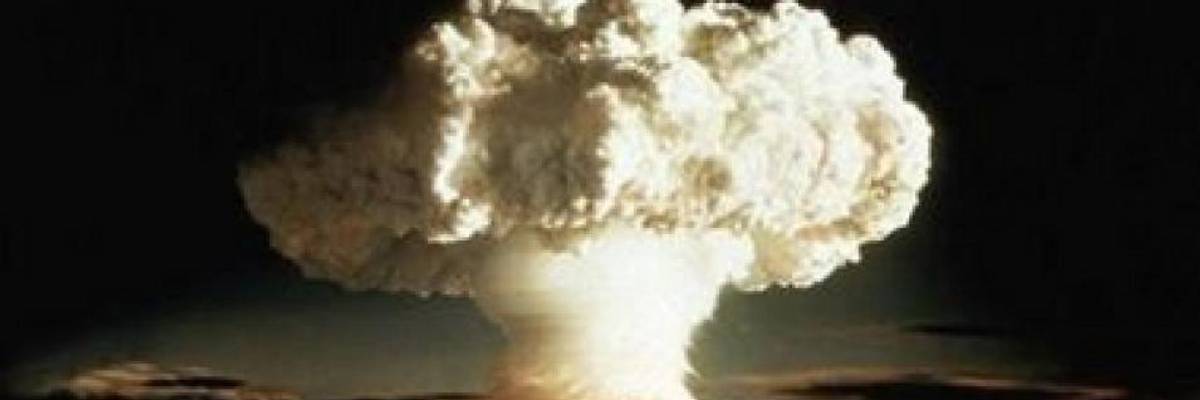
Is reckless endangerment by threatening nuclear war a ground for impeachment? (File Photo)
To understand why President Trump's penchant for tweeting angry threats against countries with nuclear capability is grounds for impeachment, it helps to understand three seemingly unrelated stories about moonrise over Norway, the play of sunlight on the clouds, and a sergeant who blew off his job inspecting parachute riggings.
During of the Cold War, the United States and Soviet Union worked hard to understand each other's military moves and strategy. Yet even so, on several occasions we nearly came to accidental nuclear war due to misunderstandings.
In 1960, U.S. early warning radar reported dozens of incoming Soviet missiles. The Joint Chiefs of Staff rushed to the phone, with only minutes to respond. Yet a cool-headed Canadian officer thought to check where the Soviet premier was--as it turned out, New York. The alert was lowered.
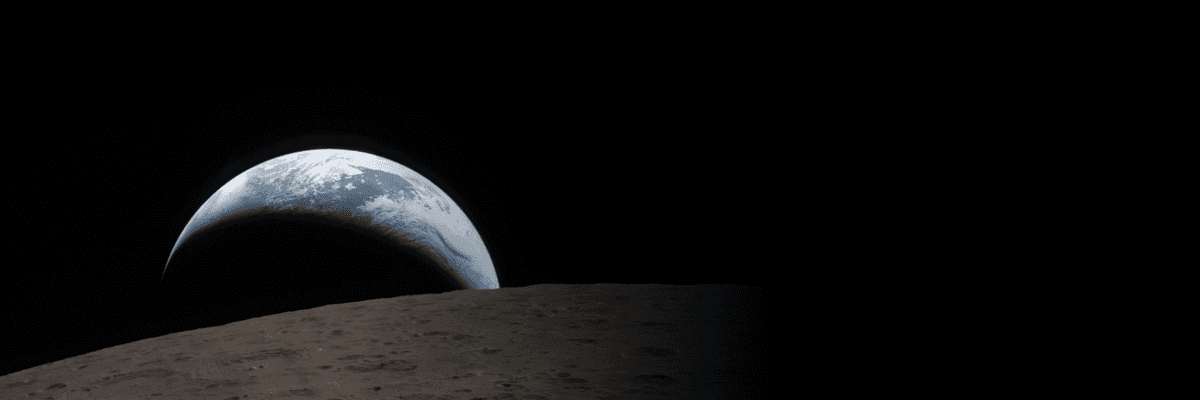
As it turned out, the computer had misinterpreted moonrise over Norway as a Soviet strike.
Something similar happened in Russia in 1983. Tensions were high, and the Soviets worried that the United States was preparing a surprise nuclear attack. In a bunker outside Moscow that September, radar flagged an incoming U.S. nuclear missile. Yet the air defense officer on duty hesitated. He could believe that America would launch a nuclear first strike--but not with just one missile. Instead, he correctly deemed it a false alarm (caused, as later determined, by sunlight reflecting off clouds) and avoided a nuclear war.
Now consider one of Trump's recent tweet-threats: "To Iranian President Rouhani: NEVER, EVER THREATEN THE UNITED STATES AGAIN OR YOU WILL SUFFER CONSEQUENCES THE LIKES OF WHICH FEW THROUGHOUT HISTORY HAVE EVER SUFFERED BEFORE."
Does the risk of a conflagration in the Middle East depend on how well Iran's mullahs understand Trump's social media habits?
Trump is playing with fire. History teaches that our adversaries take threats by U.S. presidents seriously--and sometimes overreact. Do we trust Iran's fundamentalist theocracy (or North Korea's paranoid dictatorship) for well-informed, level-headed assessments of U.S. intentions? Imagine the Iranian intelligence officer who must assess the significance of the fact that the tweet is in all-caps. (Farsi doesn't have capital letters.) Do the all-caps justify a higher alert than Trump's 2017 threats that North Korea "will be met with fire and fury like the world has never seen"? Does the risk of a conflagration in the Middle East depend on how well Iran's mullahs understand Trump's social media habits? If Iranian or North Korean radar generates a false alarm, do we trust them not to respond against us or our allies?
Perhaps in an alternate universe, a tactically brilliant president is engaged in complex four-dimensional chess with calculated risks as part of a carefully-devised geopolitical strategy. But that isn't Trump. All evidence, including from his own senior staff (who call him a "moron" and a "dope"), suggests that he has no interest in even learning the risks of his actions. Rather, his ill-thought threats are a form of reckless endangerment.
By analogy, the servicemembers under Trump's command can be court-martialed for "reckless endangerment": reckless or wanton conduct that is likely to produce death or grievous bodily harm. In one recent case, a sergeant decided to leave work early one day from his job to supervising parachute packing. He signed the inspection log without checking the parachutes for airworthiness. Another soldier became suspicious, opened the parachutes, and found several with potentially catastrophic deficiencies. The sergeant was court-martialed and sentenced to ten months' confinement for reckless endangerment.
Is reckless endangerment by threatening nuclear war a ground for impeachment? The gravity of Trump's reckless threats risking nuclear war is far greater than that of one sergeant who failed to inspect some parachutes. The constitutional standard of "high Crimes and Misdemeanors"--which, contrary to a common misconception, does not require that impeachable offenses be prosecutable crimes--long predated weapons of mass destruction and the technological developments that can accelerate the pace of modern events. But the Framers, who worried about the president's war powers, would scarcely have considered recklessly risking millions of deaths for no discernible reason to be within the limits of those powers
In his classic text on impeachment, written shortly before Nixon's impeachment hearings, Professor Charles Black wrote that "insensate abuse of the commander-in-chief power [could] amount to a 'high Crime' or 'Misdemeanor' for impeachment purposes." Crucially, impeachment is not punitive but preventive. In Professor Black's words, faced with a president who has endangered the country, "we remove him principally because we fear he will do it again."
Trump has twice now threatened nuclear war against unstable and despotic regimes that lack a solid understanding of U.S. intentions. So far, cooler heads have prevailed. But the fact that Trump has done it twice makes it more likely that he will do it again--perhaps with worse results. We need to begin impeachment hearings before it's too late.
Dear Common Dreams reader, It’s been nearly 30 years since I co-founded Common Dreams with my late wife, Lina Newhouser. We had the radical notion that journalism should serve the public good, not corporate profits. It was clear to us from the outset what it would take to build such a project. No paid advertisements. No corporate sponsors. No millionaire publisher telling us what to think or do. Many people said we wouldn't last a year, but we proved those doubters wrong. Together with a tremendous team of journalists and dedicated staff, we built an independent media outlet free from the constraints of profits and corporate control. Our mission has always been simple: To inform. To inspire. To ignite change for the common good. Building Common Dreams was not easy. Our survival was never guaranteed. When you take on the most powerful forces—Wall Street greed, fossil fuel industry destruction, Big Tech lobbyists, and uber-rich oligarchs who have spent billions upon billions rigging the economy and democracy in their favor—the only bulwark you have is supporters who believe in your work. But here’s the urgent message from me today. It's never been this bad out there. And it's never been this hard to keep us going. At the very moment Common Dreams is most needed, the threats we face are intensifying. We need your support now more than ever. We don't accept corporate advertising and never will. We don't have a paywall because we don't think people should be blocked from critical news based on their ability to pay. Everything we do is funded by the donations of readers like you. When everyone does the little they can afford, we are strong. But if that support retreats or dries up, so do we. Will you donate now to make sure Common Dreams not only survives but thrives? —Craig Brown, Co-founder |
To understand why President Trump's penchant for tweeting angry threats against countries with nuclear capability is grounds for impeachment, it helps to understand three seemingly unrelated stories about moonrise over Norway, the play of sunlight on the clouds, and a sergeant who blew off his job inspecting parachute riggings.
During of the Cold War, the United States and Soviet Union worked hard to understand each other's military moves and strategy. Yet even so, on several occasions we nearly came to accidental nuclear war due to misunderstandings.
In 1960, U.S. early warning radar reported dozens of incoming Soviet missiles. The Joint Chiefs of Staff rushed to the phone, with only minutes to respond. Yet a cool-headed Canadian officer thought to check where the Soviet premier was--as it turned out, New York. The alert was lowered.
As it turned out, the computer had misinterpreted moonrise over Norway as a Soviet strike.
Something similar happened in Russia in 1983. Tensions were high, and the Soviets worried that the United States was preparing a surprise nuclear attack. In a bunker outside Moscow that September, radar flagged an incoming U.S. nuclear missile. Yet the air defense officer on duty hesitated. He could believe that America would launch a nuclear first strike--but not with just one missile. Instead, he correctly deemed it a false alarm (caused, as later determined, by sunlight reflecting off clouds) and avoided a nuclear war.
Now consider one of Trump's recent tweet-threats: "To Iranian President Rouhani: NEVER, EVER THREATEN THE UNITED STATES AGAIN OR YOU WILL SUFFER CONSEQUENCES THE LIKES OF WHICH FEW THROUGHOUT HISTORY HAVE EVER SUFFERED BEFORE."
Does the risk of a conflagration in the Middle East depend on how well Iran's mullahs understand Trump's social media habits?
Trump is playing with fire. History teaches that our adversaries take threats by U.S. presidents seriously--and sometimes overreact. Do we trust Iran's fundamentalist theocracy (or North Korea's paranoid dictatorship) for well-informed, level-headed assessments of U.S. intentions? Imagine the Iranian intelligence officer who must assess the significance of the fact that the tweet is in all-caps. (Farsi doesn't have capital letters.) Do the all-caps justify a higher alert than Trump's 2017 threats that North Korea "will be met with fire and fury like the world has never seen"? Does the risk of a conflagration in the Middle East depend on how well Iran's mullahs understand Trump's social media habits? If Iranian or North Korean radar generates a false alarm, do we trust them not to respond against us or our allies?
Perhaps in an alternate universe, a tactically brilliant president is engaged in complex four-dimensional chess with calculated risks as part of a carefully-devised geopolitical strategy. But that isn't Trump. All evidence, including from his own senior staff (who call him a "moron" and a "dope"), suggests that he has no interest in even learning the risks of his actions. Rather, his ill-thought threats are a form of reckless endangerment.
By analogy, the servicemembers under Trump's command can be court-martialed for "reckless endangerment": reckless or wanton conduct that is likely to produce death or grievous bodily harm. In one recent case, a sergeant decided to leave work early one day from his job to supervising parachute packing. He signed the inspection log without checking the parachutes for airworthiness. Another soldier became suspicious, opened the parachutes, and found several with potentially catastrophic deficiencies. The sergeant was court-martialed and sentenced to ten months' confinement for reckless endangerment.
Is reckless endangerment by threatening nuclear war a ground for impeachment? The gravity of Trump's reckless threats risking nuclear war is far greater than that of one sergeant who failed to inspect some parachutes. The constitutional standard of "high Crimes and Misdemeanors"--which, contrary to a common misconception, does not require that impeachable offenses be prosecutable crimes--long predated weapons of mass destruction and the technological developments that can accelerate the pace of modern events. But the Framers, who worried about the president's war powers, would scarcely have considered recklessly risking millions of deaths for no discernible reason to be within the limits of those powers
In his classic text on impeachment, written shortly before Nixon's impeachment hearings, Professor Charles Black wrote that "insensate abuse of the commander-in-chief power [could] amount to a 'high Crime' or 'Misdemeanor' for impeachment purposes." Crucially, impeachment is not punitive but preventive. In Professor Black's words, faced with a president who has endangered the country, "we remove him principally because we fear he will do it again."
Trump has twice now threatened nuclear war against unstable and despotic regimes that lack a solid understanding of U.S. intentions. So far, cooler heads have prevailed. But the fact that Trump has done it twice makes it more likely that he will do it again--perhaps with worse results. We need to begin impeachment hearings before it's too late.
To understand why President Trump's penchant for tweeting angry threats against countries with nuclear capability is grounds for impeachment, it helps to understand three seemingly unrelated stories about moonrise over Norway, the play of sunlight on the clouds, and a sergeant who blew off his job inspecting parachute riggings.
During of the Cold War, the United States and Soviet Union worked hard to understand each other's military moves and strategy. Yet even so, on several occasions we nearly came to accidental nuclear war due to misunderstandings.
In 1960, U.S. early warning radar reported dozens of incoming Soviet missiles. The Joint Chiefs of Staff rushed to the phone, with only minutes to respond. Yet a cool-headed Canadian officer thought to check where the Soviet premier was--as it turned out, New York. The alert was lowered.
As it turned out, the computer had misinterpreted moonrise over Norway as a Soviet strike.
Something similar happened in Russia in 1983. Tensions were high, and the Soviets worried that the United States was preparing a surprise nuclear attack. In a bunker outside Moscow that September, radar flagged an incoming U.S. nuclear missile. Yet the air defense officer on duty hesitated. He could believe that America would launch a nuclear first strike--but not with just one missile. Instead, he correctly deemed it a false alarm (caused, as later determined, by sunlight reflecting off clouds) and avoided a nuclear war.
Now consider one of Trump's recent tweet-threats: "To Iranian President Rouhani: NEVER, EVER THREATEN THE UNITED STATES AGAIN OR YOU WILL SUFFER CONSEQUENCES THE LIKES OF WHICH FEW THROUGHOUT HISTORY HAVE EVER SUFFERED BEFORE."
Does the risk of a conflagration in the Middle East depend on how well Iran's mullahs understand Trump's social media habits?
Trump is playing with fire. History teaches that our adversaries take threats by U.S. presidents seriously--and sometimes overreact. Do we trust Iran's fundamentalist theocracy (or North Korea's paranoid dictatorship) for well-informed, level-headed assessments of U.S. intentions? Imagine the Iranian intelligence officer who must assess the significance of the fact that the tweet is in all-caps. (Farsi doesn't have capital letters.) Do the all-caps justify a higher alert than Trump's 2017 threats that North Korea "will be met with fire and fury like the world has never seen"? Does the risk of a conflagration in the Middle East depend on how well Iran's mullahs understand Trump's social media habits? If Iranian or North Korean radar generates a false alarm, do we trust them not to respond against us or our allies?
Perhaps in an alternate universe, a tactically brilliant president is engaged in complex four-dimensional chess with calculated risks as part of a carefully-devised geopolitical strategy. But that isn't Trump. All evidence, including from his own senior staff (who call him a "moron" and a "dope"), suggests that he has no interest in even learning the risks of his actions. Rather, his ill-thought threats are a form of reckless endangerment.
By analogy, the servicemembers under Trump's command can be court-martialed for "reckless endangerment": reckless or wanton conduct that is likely to produce death or grievous bodily harm. In one recent case, a sergeant decided to leave work early one day from his job to supervising parachute packing. He signed the inspection log without checking the parachutes for airworthiness. Another soldier became suspicious, opened the parachutes, and found several with potentially catastrophic deficiencies. The sergeant was court-martialed and sentenced to ten months' confinement for reckless endangerment.
Is reckless endangerment by threatening nuclear war a ground for impeachment? The gravity of Trump's reckless threats risking nuclear war is far greater than that of one sergeant who failed to inspect some parachutes. The constitutional standard of "high Crimes and Misdemeanors"--which, contrary to a common misconception, does not require that impeachable offenses be prosecutable crimes--long predated weapons of mass destruction and the technological developments that can accelerate the pace of modern events. But the Framers, who worried about the president's war powers, would scarcely have considered recklessly risking millions of deaths for no discernible reason to be within the limits of those powers
In his classic text on impeachment, written shortly before Nixon's impeachment hearings, Professor Charles Black wrote that "insensate abuse of the commander-in-chief power [could] amount to a 'high Crime' or 'Misdemeanor' for impeachment purposes." Crucially, impeachment is not punitive but preventive. In Professor Black's words, faced with a president who has endangered the country, "we remove him principally because we fear he will do it again."
Trump has twice now threatened nuclear war against unstable and despotic regimes that lack a solid understanding of U.S. intentions. So far, cooler heads have prevailed. But the fact that Trump has done it twice makes it more likely that he will do it again--perhaps with worse results. We need to begin impeachment hearings before it's too late.