SUBSCRIBE TO OUR FREE NEWSLETTER
Daily news & progressive opinion—funded by the people, not the corporations—delivered straight to your inbox.
5
#000000
#FFFFFF
To donate by check, phone, or other method, see our More Ways to Give page.
Daily news & progressive opinion—funded by the people, not the corporations—delivered straight to your inbox.
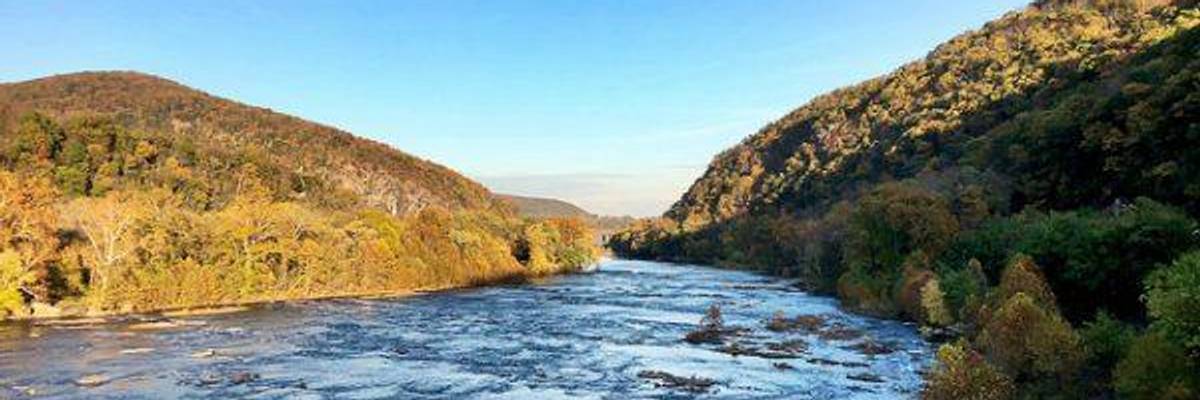
The Shenandoah Valley, Virginia (Photo: Anokarina / Flickr)
I'm an Eagle Scout from Virginia.
Troop 149, an enthusiastic and lively troop from Arlington, made me the person I am today. Being a member of Troop 149 meant a lot of things, but most importantly it meant incredible outdoor expeditions on the Appalachian Trail.
The Appalachian Trail, a treasured 2,200-mile hiking trail that traverses the Appalachian Mountains, was a mainstay of my youth.
I spent countless hours and made lots of memories on the trail -- learning how to cook on a smoky campfire, leaving my tent to greet the crisp morning air, watching the sun dip below the mountains after a long day of backpacking. I wouldn't trade these memories for anything.
My visits to the Appalachian Trail became more infrequent as I got older and my Scouting career came to a close. I shipped off to a college on Virginia's coast, far away from the mountains.
Even as I grew older and busier, I found myself longing to be back out on that well-worn trail.
I wasn't too troubled, though, because I knew it would always be there.
That is, until I learned about the Mountain Valley Pipeline.
The Mountain Valley Pipeline (MVP) is a proposed 300-mile natural gas pipeline that would cut right through the Appalachian Trail, and it promises to be a disaster.
The MVP poses an unprecedented menace to the Appalachian Trail, threatening to clear a 125-foot wide gash on either side.
This gash, which would be roughly the size of 12-lane highway, would extend far beyond the sides of the trail and would accompany the pipeline everywhere it goes. Iconic views of pristine wilderness would be marred by the MVP's barren service corridor.
But it's not just the view that would be at risk.
Pipelines leak, and they leak a lot. From 1986 to 2013, pipelines have spilled more than 3 million gallons of hazardous liquids around the country. That's equivalent to leaking 200 barrels every day.
These leaks have devastating impacts on the environment and nearby communities, and it breaks my heart to imagine them in that Virginia wilderness.
Even if the MVP never leaks, it will still hurt communities. With the MVP would come three new compressor stations, which subject communities to air pollution, groundwater contamination, and unsafe noise levels.
As if these threats aren't enough, building the pipeline would also set a dangerous precedent for development on our public lands. The pipeline would undermine the Forest Service's Roadless Rule, which protects 58.5 million acres of public lands from development, and carve out 3.4 miles of Jefferson National Forest.
If this pipeline gets built, many more forests would be at risk.
The threats posed by the Mountain Valley Pipeline are grave, but they're not unique. What's going on in my home state of Virginia is a microcosm of what's happening around the country.
Pipelines are spreading around the country like wildfire. And the Trump administration's long-awaited infrastructure plan, unveiled this February, would turn many protected areas into firewood.
If approved, the plan would make it easier than ever before to run pipelines through national parks. It would push states to hastily grant permits to pipeline projects, and completely undermine the environmental review procedures that safeguard our environment from the destructive forces of pipelines.
The thing is, these pipelines often aren't even necessary. Even without the MVP, Virginia's existing natural gas infrastructure would cover our energy needs well into the future. But even if this wasn't the case, the tradeoffs simply wouldn't be worth it -- not in Virginia, and not anywhere else.
I'm an Eagle Scout from Virginia, and I know that more pipelines aren't what America needs.
Dear Common Dreams reader, It’s been nearly 30 years since I co-founded Common Dreams with my late wife, Lina Newhouser. We had the radical notion that journalism should serve the public good, not corporate profits. It was clear to us from the outset what it would take to build such a project. No paid advertisements. No corporate sponsors. No millionaire publisher telling us what to think or do. Many people said we wouldn't last a year, but we proved those doubters wrong. Together with a tremendous team of journalists and dedicated staff, we built an independent media outlet free from the constraints of profits and corporate control. Our mission has always been simple: To inform. To inspire. To ignite change for the common good. Building Common Dreams was not easy. Our survival was never guaranteed. When you take on the most powerful forces—Wall Street greed, fossil fuel industry destruction, Big Tech lobbyists, and uber-rich oligarchs who have spent billions upon billions rigging the economy and democracy in their favor—the only bulwark you have is supporters who believe in your work. But here’s the urgent message from me today. It's never been this bad out there. And it's never been this hard to keep us going. At the very moment Common Dreams is most needed, the threats we face are intensifying. We need your support now more than ever. We don't accept corporate advertising and never will. We don't have a paywall because we don't think people should be blocked from critical news based on their ability to pay. Everything we do is funded by the donations of readers like you. When everyone does the little they can afford, we are strong. But if that support retreats or dries up, so do we. Will you donate now to make sure Common Dreams not only survives but thrives? —Craig Brown, Co-founder |
I'm an Eagle Scout from Virginia.
Troop 149, an enthusiastic and lively troop from Arlington, made me the person I am today. Being a member of Troop 149 meant a lot of things, but most importantly it meant incredible outdoor expeditions on the Appalachian Trail.
The Appalachian Trail, a treasured 2,200-mile hiking trail that traverses the Appalachian Mountains, was a mainstay of my youth.
I spent countless hours and made lots of memories on the trail -- learning how to cook on a smoky campfire, leaving my tent to greet the crisp morning air, watching the sun dip below the mountains after a long day of backpacking. I wouldn't trade these memories for anything.
My visits to the Appalachian Trail became more infrequent as I got older and my Scouting career came to a close. I shipped off to a college on Virginia's coast, far away from the mountains.
Even as I grew older and busier, I found myself longing to be back out on that well-worn trail.
I wasn't too troubled, though, because I knew it would always be there.
That is, until I learned about the Mountain Valley Pipeline.
The Mountain Valley Pipeline (MVP) is a proposed 300-mile natural gas pipeline that would cut right through the Appalachian Trail, and it promises to be a disaster.
The MVP poses an unprecedented menace to the Appalachian Trail, threatening to clear a 125-foot wide gash on either side.
This gash, which would be roughly the size of 12-lane highway, would extend far beyond the sides of the trail and would accompany the pipeline everywhere it goes. Iconic views of pristine wilderness would be marred by the MVP's barren service corridor.
But it's not just the view that would be at risk.
Pipelines leak, and they leak a lot. From 1986 to 2013, pipelines have spilled more than 3 million gallons of hazardous liquids around the country. That's equivalent to leaking 200 barrels every day.
These leaks have devastating impacts on the environment and nearby communities, and it breaks my heart to imagine them in that Virginia wilderness.
Even if the MVP never leaks, it will still hurt communities. With the MVP would come three new compressor stations, which subject communities to air pollution, groundwater contamination, and unsafe noise levels.
As if these threats aren't enough, building the pipeline would also set a dangerous precedent for development on our public lands. The pipeline would undermine the Forest Service's Roadless Rule, which protects 58.5 million acres of public lands from development, and carve out 3.4 miles of Jefferson National Forest.
If this pipeline gets built, many more forests would be at risk.
The threats posed by the Mountain Valley Pipeline are grave, but they're not unique. What's going on in my home state of Virginia is a microcosm of what's happening around the country.
Pipelines are spreading around the country like wildfire. And the Trump administration's long-awaited infrastructure plan, unveiled this February, would turn many protected areas into firewood.
If approved, the plan would make it easier than ever before to run pipelines through national parks. It would push states to hastily grant permits to pipeline projects, and completely undermine the environmental review procedures that safeguard our environment from the destructive forces of pipelines.
The thing is, these pipelines often aren't even necessary. Even without the MVP, Virginia's existing natural gas infrastructure would cover our energy needs well into the future. But even if this wasn't the case, the tradeoffs simply wouldn't be worth it -- not in Virginia, and not anywhere else.
I'm an Eagle Scout from Virginia, and I know that more pipelines aren't what America needs.
I'm an Eagle Scout from Virginia.
Troop 149, an enthusiastic and lively troop from Arlington, made me the person I am today. Being a member of Troop 149 meant a lot of things, but most importantly it meant incredible outdoor expeditions on the Appalachian Trail.
The Appalachian Trail, a treasured 2,200-mile hiking trail that traverses the Appalachian Mountains, was a mainstay of my youth.
I spent countless hours and made lots of memories on the trail -- learning how to cook on a smoky campfire, leaving my tent to greet the crisp morning air, watching the sun dip below the mountains after a long day of backpacking. I wouldn't trade these memories for anything.
My visits to the Appalachian Trail became more infrequent as I got older and my Scouting career came to a close. I shipped off to a college on Virginia's coast, far away from the mountains.
Even as I grew older and busier, I found myself longing to be back out on that well-worn trail.
I wasn't too troubled, though, because I knew it would always be there.
That is, until I learned about the Mountain Valley Pipeline.
The Mountain Valley Pipeline (MVP) is a proposed 300-mile natural gas pipeline that would cut right through the Appalachian Trail, and it promises to be a disaster.
The MVP poses an unprecedented menace to the Appalachian Trail, threatening to clear a 125-foot wide gash on either side.
This gash, which would be roughly the size of 12-lane highway, would extend far beyond the sides of the trail and would accompany the pipeline everywhere it goes. Iconic views of pristine wilderness would be marred by the MVP's barren service corridor.
But it's not just the view that would be at risk.
Pipelines leak, and they leak a lot. From 1986 to 2013, pipelines have spilled more than 3 million gallons of hazardous liquids around the country. That's equivalent to leaking 200 barrels every day.
These leaks have devastating impacts on the environment and nearby communities, and it breaks my heart to imagine them in that Virginia wilderness.
Even if the MVP never leaks, it will still hurt communities. With the MVP would come three new compressor stations, which subject communities to air pollution, groundwater contamination, and unsafe noise levels.
As if these threats aren't enough, building the pipeline would also set a dangerous precedent for development on our public lands. The pipeline would undermine the Forest Service's Roadless Rule, which protects 58.5 million acres of public lands from development, and carve out 3.4 miles of Jefferson National Forest.
If this pipeline gets built, many more forests would be at risk.
The threats posed by the Mountain Valley Pipeline are grave, but they're not unique. What's going on in my home state of Virginia is a microcosm of what's happening around the country.
Pipelines are spreading around the country like wildfire. And the Trump administration's long-awaited infrastructure plan, unveiled this February, would turn many protected areas into firewood.
If approved, the plan would make it easier than ever before to run pipelines through national parks. It would push states to hastily grant permits to pipeline projects, and completely undermine the environmental review procedures that safeguard our environment from the destructive forces of pipelines.
The thing is, these pipelines often aren't even necessary. Even without the MVP, Virginia's existing natural gas infrastructure would cover our energy needs well into the future. But even if this wasn't the case, the tradeoffs simply wouldn't be worth it -- not in Virginia, and not anywhere else.
I'm an Eagle Scout from Virginia, and I know that more pipelines aren't what America needs.