SUBSCRIBE TO OUR FREE NEWSLETTER
Daily news & progressive opinion—funded by the people, not the corporations—delivered straight to your inbox.
5
#000000
#FFFFFF
To donate by check, phone, or other method, see our More Ways to Give page.
The Democratic Party has a few problems. Recently, President Obama has been forced to confront growing discord within his own party over a number of issues, from foreign policy to economics and the nomination of a new Federal Reserve chair. But another fissure between the Obama Administration and rank-and-file Democrats across the country, one that's been slowly developing for years, has suddenly cracked wide open. It threatens to split the party in two, just as it quite literally splits the bedrock beneath our feet. It is the extreme gas drilling and extraction process know as fracking.
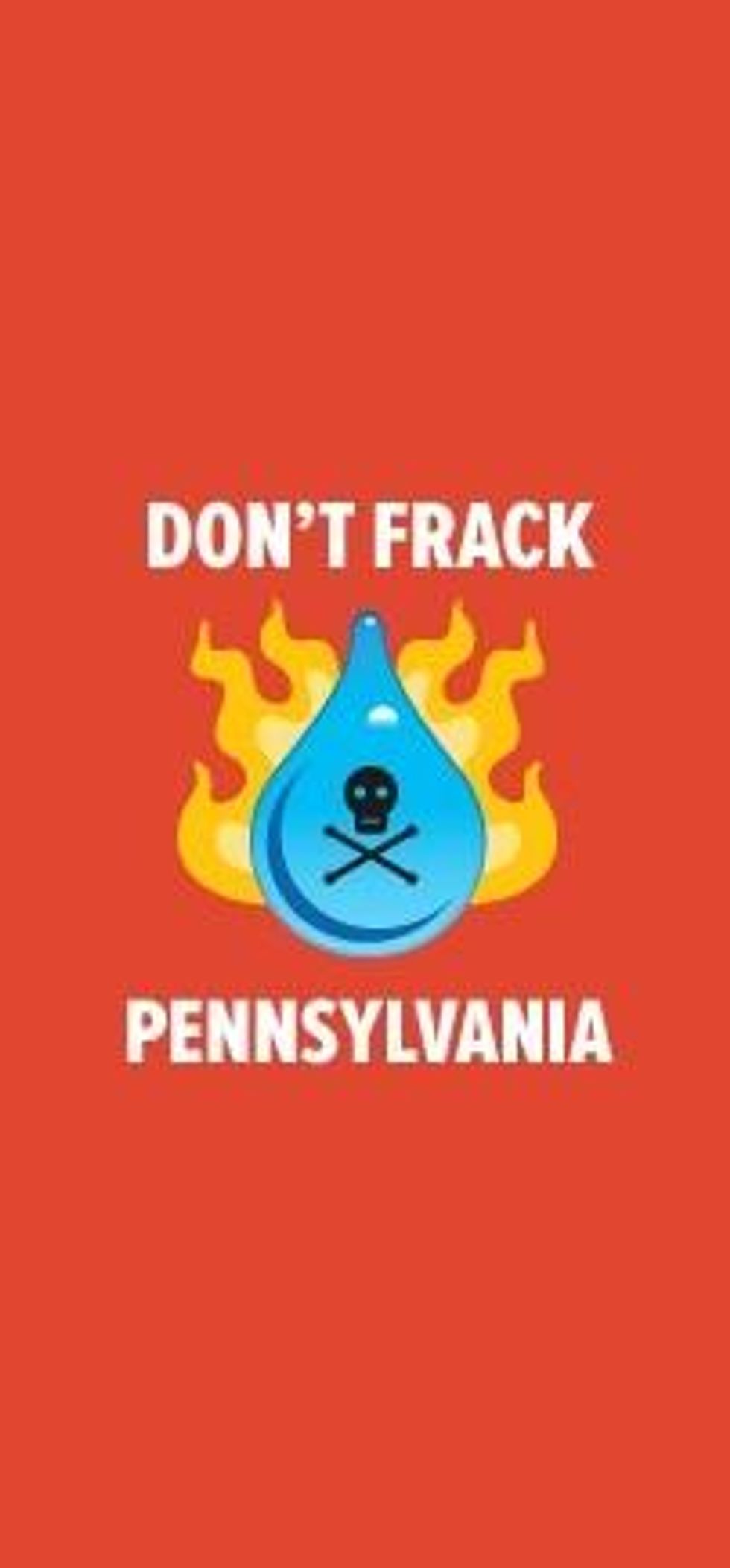
In large, solidly Blue states like California and New York, where Democrats with national responsibilities (or national aspirations) consistently look for inspiration and cash, local grassroots movements against fracking have evolved and expanded into mainstream statewide forces. But perhaps more notably, resistance to fracking among Democrats has also recently flourished in states less reliably liberal, less environmentally inclined, and situated smack in the middle of oil and gas country. States like Pennsylvania.
After years of destructive and dangerous fracking in Pennsylvania, it all became too much to bear. Too many cases of poisoned drinking water. Too many cases of serious health effects, including asthma, nausea, dizziness, eye and skin impairments, and the like. Too many rural communities turned upside-down by sudden industrialization (with its increased crime, traffic accidents and social strains) followed by boom-and-bust economic hardship. Too many terrible side effects of fracking to tolerate.
So the Pennsylvania Democratic Party finally said "enough." In June, its state committee passed a resolution calling for an indefinite moratorium on fracking. But as many party activists and officials cheered, the debate intensified. Democrats aligned with Obama's naive, uninformed vision of gas fracking as a "bridge" to American energy utopia immediately struck back, defending the companies that have long filled their campaign coffers. According to the group Common Cause, the natural gas industry gave $8 million to Pennsylvania political candidates from 2000 to 2012 and spent an astounding $15.7 million on in-state lobbying between 2007 and 2012.
Chief among Democratic fracking apologists was former Governor Ed Rendell - the same Ed Rendell that left the Capitol in Harrisburg to work as a highly paid lobbyist and spokesperson for the fossil fuel industry.
But the Democrats aligned first and foremost with the people of Pennsylvania got back to work. They organized, educated and rallied. They greeted their president in Scranton at the end of August, and lined the streets leading to Lackawanna College with signs, songs and screams denouncing fracking. Obama came to Scranton to talk about making higher education affordable, but the stories from activists and reporters about the day all included a certain drill rig-shaped elephant that had rolled into town with the motorcade.
Party resolutions and presidential protests aside, real legislation will be required to halt fracking in Pennsylvania, and real legislation is what Democrats are now wielding. On October 18, matching fracking moratorium bills were introduced in both houses of the state legislature, by Senator Jim Ferlo and Representative Mark Cohen, respectively. Though the push for cosponsors of the bills has only just begun, already a dozen or more legislators have signed on.
As President Obama's misguided reign over our nation's energy policy ebbs on, Democrats that seek to succeed him would be wise to pay heed to the widening chasm over fracking that is increasingly dividing the party. They would be wise to look at the crucial primary state of California, where after years of limited fracking, a growing movement against it is rapidly mobilizing. They would be wise to look at another crucial primary state, New York, where a momentous anti-fracking movement has kept drilling out of the gas-rich state entirely, and kept the ambitious governor there dodging the issue and the activists throughout his entire term.
And they would be wise to look at Pennsylvania, where Democrats in the statehouse and in the coffee shops are turning against fracking more and more every day.
The Democratic Party has a few problems. Recently, President Obama has been forced to confront growing discord within his own party over a number of issues, from foreign policy to economics and the nomination of a new Federal Reserve chair. But another fissure between the Obama Administration and rank-and-file Democrats across the country, one that's been slowly developing for years, has suddenly cracked wide open. It threatens to split the party in two, just as it quite literally splits the bedrock beneath our feet. It is the extreme gas drilling and extraction process know as fracking.
In large, solidly Blue states like California and New York, where Democrats with national responsibilities (or national aspirations) consistently look for inspiration and cash, local grassroots movements against fracking have evolved and expanded into mainstream statewide forces. But perhaps more notably, resistance to fracking among Democrats has also recently flourished in states less reliably liberal, less environmentally inclined, and situated smack in the middle of oil and gas country. States like Pennsylvania.
After years of destructive and dangerous fracking in Pennsylvania, it all became too much to bear. Too many cases of poisoned drinking water. Too many cases of serious health effects, including asthma, nausea, dizziness, eye and skin impairments, and the like. Too many rural communities turned upside-down by sudden industrialization (with its increased crime, traffic accidents and social strains) followed by boom-and-bust economic hardship. Too many terrible side effects of fracking to tolerate.
So the Pennsylvania Democratic Party finally said "enough." In June, its state committee passed a resolution calling for an indefinite moratorium on fracking. But as many party activists and officials cheered, the debate intensified. Democrats aligned with Obama's naive, uninformed vision of gas fracking as a "bridge" to American energy utopia immediately struck back, defending the companies that have long filled their campaign coffers. According to the group Common Cause, the natural gas industry gave $8 million to Pennsylvania political candidates from 2000 to 2012 and spent an astounding $15.7 million on in-state lobbying between 2007 and 2012.
Chief among Democratic fracking apologists was former Governor Ed Rendell - the same Ed Rendell that left the Capitol in Harrisburg to work as a highly paid lobbyist and spokesperson for the fossil fuel industry.
But the Democrats aligned first and foremost with the people of Pennsylvania got back to work. They organized, educated and rallied. They greeted their president in Scranton at the end of August, and lined the streets leading to Lackawanna College with signs, songs and screams denouncing fracking. Obama came to Scranton to talk about making higher education affordable, but the stories from activists and reporters about the day all included a certain drill rig-shaped elephant that had rolled into town with the motorcade.
Party resolutions and presidential protests aside, real legislation will be required to halt fracking in Pennsylvania, and real legislation is what Democrats are now wielding. On October 18, matching fracking moratorium bills were introduced in both houses of the state legislature, by Senator Jim Ferlo and Representative Mark Cohen, respectively. Though the push for cosponsors of the bills has only just begun, already a dozen or more legislators have signed on.
As President Obama's misguided reign over our nation's energy policy ebbs on, Democrats that seek to succeed him would be wise to pay heed to the widening chasm over fracking that is increasingly dividing the party. They would be wise to look at the crucial primary state of California, where after years of limited fracking, a growing movement against it is rapidly mobilizing. They would be wise to look at another crucial primary state, New York, where a momentous anti-fracking movement has kept drilling out of the gas-rich state entirely, and kept the ambitious governor there dodging the issue and the activists throughout his entire term.
And they would be wise to look at Pennsylvania, where Democrats in the statehouse and in the coffee shops are turning against fracking more and more every day.
The Democratic Party has a few problems. Recently, President Obama has been forced to confront growing discord within his own party over a number of issues, from foreign policy to economics and the nomination of a new Federal Reserve chair. But another fissure between the Obama Administration and rank-and-file Democrats across the country, one that's been slowly developing for years, has suddenly cracked wide open. It threatens to split the party in two, just as it quite literally splits the bedrock beneath our feet. It is the extreme gas drilling and extraction process know as fracking.
In large, solidly Blue states like California and New York, where Democrats with national responsibilities (or national aspirations) consistently look for inspiration and cash, local grassroots movements against fracking have evolved and expanded into mainstream statewide forces. But perhaps more notably, resistance to fracking among Democrats has also recently flourished in states less reliably liberal, less environmentally inclined, and situated smack in the middle of oil and gas country. States like Pennsylvania.
After years of destructive and dangerous fracking in Pennsylvania, it all became too much to bear. Too many cases of poisoned drinking water. Too many cases of serious health effects, including asthma, nausea, dizziness, eye and skin impairments, and the like. Too many rural communities turned upside-down by sudden industrialization (with its increased crime, traffic accidents and social strains) followed by boom-and-bust economic hardship. Too many terrible side effects of fracking to tolerate.
So the Pennsylvania Democratic Party finally said "enough." In June, its state committee passed a resolution calling for an indefinite moratorium on fracking. But as many party activists and officials cheered, the debate intensified. Democrats aligned with Obama's naive, uninformed vision of gas fracking as a "bridge" to American energy utopia immediately struck back, defending the companies that have long filled their campaign coffers. According to the group Common Cause, the natural gas industry gave $8 million to Pennsylvania political candidates from 2000 to 2012 and spent an astounding $15.7 million on in-state lobbying between 2007 and 2012.
Chief among Democratic fracking apologists was former Governor Ed Rendell - the same Ed Rendell that left the Capitol in Harrisburg to work as a highly paid lobbyist and spokesperson for the fossil fuel industry.
But the Democrats aligned first and foremost with the people of Pennsylvania got back to work. They organized, educated and rallied. They greeted their president in Scranton at the end of August, and lined the streets leading to Lackawanna College with signs, songs and screams denouncing fracking. Obama came to Scranton to talk about making higher education affordable, but the stories from activists and reporters about the day all included a certain drill rig-shaped elephant that had rolled into town with the motorcade.
Party resolutions and presidential protests aside, real legislation will be required to halt fracking in Pennsylvania, and real legislation is what Democrats are now wielding. On October 18, matching fracking moratorium bills were introduced in both houses of the state legislature, by Senator Jim Ferlo and Representative Mark Cohen, respectively. Though the push for cosponsors of the bills has only just begun, already a dozen or more legislators have signed on.
As President Obama's misguided reign over our nation's energy policy ebbs on, Democrats that seek to succeed him would be wise to pay heed to the widening chasm over fracking that is increasingly dividing the party. They would be wise to look at the crucial primary state of California, where after years of limited fracking, a growing movement against it is rapidly mobilizing. They would be wise to look at another crucial primary state, New York, where a momentous anti-fracking movement has kept drilling out of the gas-rich state entirely, and kept the ambitious governor there dodging the issue and the activists throughout his entire term.
And they would be wise to look at Pennsylvania, where Democrats in the statehouse and in the coffee shops are turning against fracking more and more every day.