SUBSCRIBE TO OUR FREE NEWSLETTER
Daily news & progressive opinion—funded by the people, not the corporations—delivered straight to your inbox.
5
#000000
#FFFFFF
To donate by check, phone, or other method, see our More Ways to Give page.
Gordon Gekko, the infamously cutthroat capitalist and lead character in Oliver Stone's Wall Street, captured the heady years of the 1980s with a single, indelible line: Greed is good. Today, it is Edward Conard, a friend and former colleague of Mitt Romney's at the private equity firm Bain Capital, who has offered a new mantra for the 1%, a cri de coeur for the Gekkos of the twenty-first century: Inequality is good.
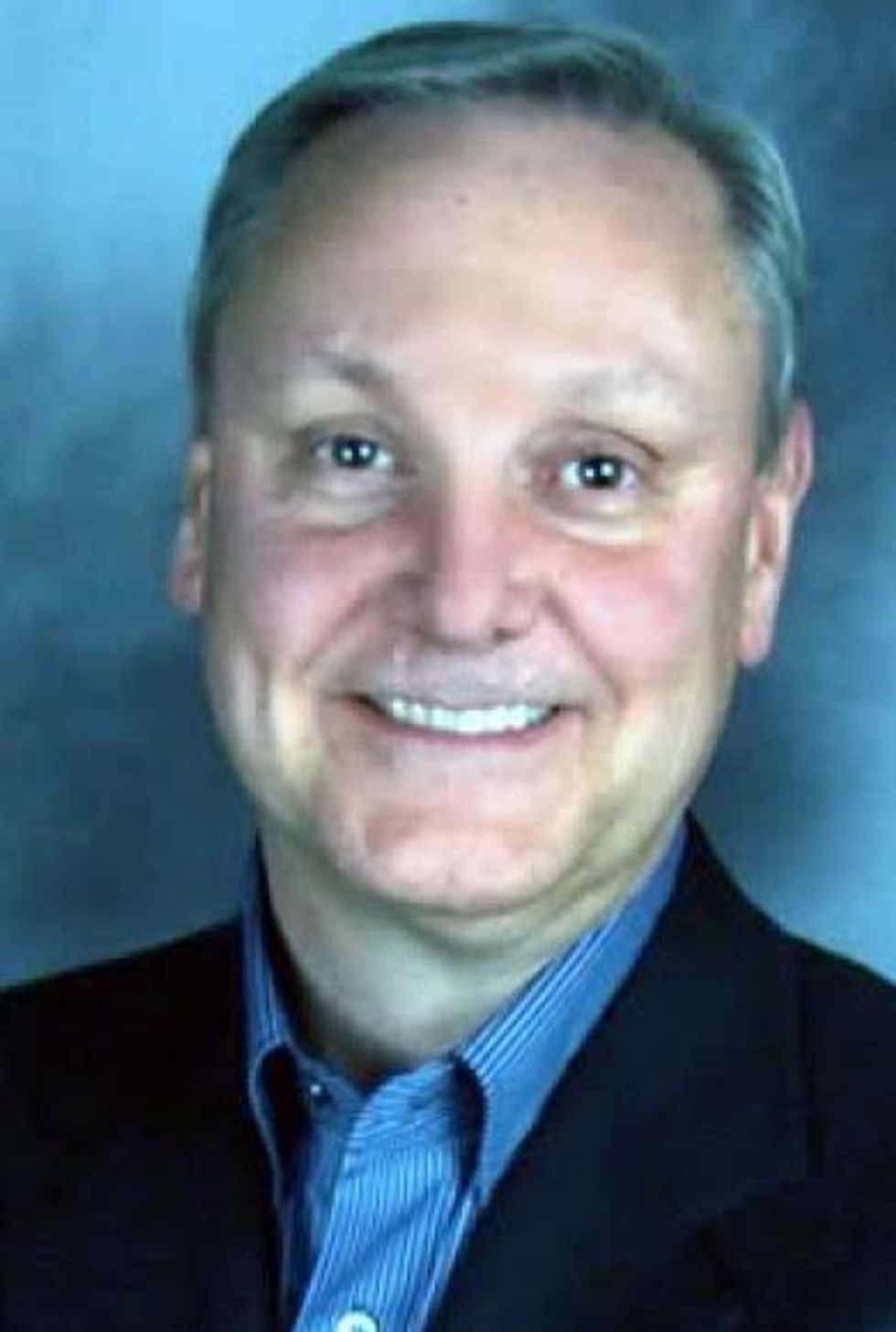
In his new book Unintended Consequences: Why Everything You've Been Told About the Economy Is Wrong, Conard argues that gaping income inequality is an indication of a healthy economy, not a sick one. The more unequal we are, Conard told the New York Times Magazine, the better off we all will be. Why? Because economies grow and thrive when smart people devise solutions to our thorniest problems by inventing or perfecting goods and services. Conard singled out a group of twentysomethings sitting at a Manhattan coffee shop one afternoon, deriding them as lazy "art-history majors." Those people should be out creating businesses and taking risks, he insisted, because that's how societies prosper. And the way to encourage that risk-taking is the promise of obscene wealth for those who succeed (and, implicitly, dismal poverty for those who don't).
How obscene should that wealth be? In 2008, the top 1% commanded 21% of all income in America. Conard says our society would improve if only that figure were doubled.
Needless to say, there is no shortage of Conard critics. The more respectful ones ask: Teachers do not fit Conard's entrepreneurial ideal -- are they no use to society? What about judges? Government regulators? Others dismiss Conard as an out-of-touch millionaire living in a fantasy land. For instance, Conard claims that wages for American workers have climbed in recent decades; in fact, as liberal economist Dean Baker notes, wages have barely kept pace with inflation. "We'll leave it to his shrink," Baker quipped, "to determine whether the problem is that Conard is deluded or dishonest."
It's not hard to imagine how members of the working poor would react to Conard's message. Here he is urging them to take the leap and design more efficient soda cans or search engines, when, as Barbara Ehrenreich makes strikingly clear in "Preying on the Poor," the working poor who dare share food with the down-and-out or kick up their feet on a subway seat can land in a debtor's hell created for them by state and local governments and law enforcement agencies. Unlike Conard, Ehrenreich, the author of the bestselling Nickel and Dimed: On (Not) Getting By in America, had an actual urge to help those in trouble. She's just launching the Economic Hardship Reporting Project, which will "will pay laid-off and/or underemployed journalists who are themselves caught in the maw of economic hardship to produce compelling stories."
Gordon Gekko, the infamously cutthroat capitalist and lead character in Oliver Stone's Wall Street, captured the heady years of the 1980s with a single, indelible line: Greed is good. Today, it is Edward Conard, a friend and former colleague of Mitt Romney's at the private equity firm Bain Capital, who has offered a new mantra for the 1%, a cri de coeur for the Gekkos of the twenty-first century: Inequality is good.
In his new book Unintended Consequences: Why Everything You've Been Told About the Economy Is Wrong, Conard argues that gaping income inequality is an indication of a healthy economy, not a sick one. The more unequal we are, Conard told the New York Times Magazine, the better off we all will be. Why? Because economies grow and thrive when smart people devise solutions to our thorniest problems by inventing or perfecting goods and services. Conard singled out a group of twentysomethings sitting at a Manhattan coffee shop one afternoon, deriding them as lazy "art-history majors." Those people should be out creating businesses and taking risks, he insisted, because that's how societies prosper. And the way to encourage that risk-taking is the promise of obscene wealth for those who succeed (and, implicitly, dismal poverty for those who don't).
How obscene should that wealth be? In 2008, the top 1% commanded 21% of all income in America. Conard says our society would improve if only that figure were doubled.
Needless to say, there is no shortage of Conard critics. The more respectful ones ask: Teachers do not fit Conard's entrepreneurial ideal -- are they no use to society? What about judges? Government regulators? Others dismiss Conard as an out-of-touch millionaire living in a fantasy land. For instance, Conard claims that wages for American workers have climbed in recent decades; in fact, as liberal economist Dean Baker notes, wages have barely kept pace with inflation. "We'll leave it to his shrink," Baker quipped, "to determine whether the problem is that Conard is deluded or dishonest."
It's not hard to imagine how members of the working poor would react to Conard's message. Here he is urging them to take the leap and design more efficient soda cans or search engines, when, as Barbara Ehrenreich makes strikingly clear in "Preying on the Poor," the working poor who dare share food with the down-and-out or kick up their feet on a subway seat can land in a debtor's hell created for them by state and local governments and law enforcement agencies. Unlike Conard, Ehrenreich, the author of the bestselling Nickel and Dimed: On (Not) Getting By in America, had an actual urge to help those in trouble. She's just launching the Economic Hardship Reporting Project, which will "will pay laid-off and/or underemployed journalists who are themselves caught in the maw of economic hardship to produce compelling stories."
Gordon Gekko, the infamously cutthroat capitalist and lead character in Oliver Stone's Wall Street, captured the heady years of the 1980s with a single, indelible line: Greed is good. Today, it is Edward Conard, a friend and former colleague of Mitt Romney's at the private equity firm Bain Capital, who has offered a new mantra for the 1%, a cri de coeur for the Gekkos of the twenty-first century: Inequality is good.
In his new book Unintended Consequences: Why Everything You've Been Told About the Economy Is Wrong, Conard argues that gaping income inequality is an indication of a healthy economy, not a sick one. The more unequal we are, Conard told the New York Times Magazine, the better off we all will be. Why? Because economies grow and thrive when smart people devise solutions to our thorniest problems by inventing or perfecting goods and services. Conard singled out a group of twentysomethings sitting at a Manhattan coffee shop one afternoon, deriding them as lazy "art-history majors." Those people should be out creating businesses and taking risks, he insisted, because that's how societies prosper. And the way to encourage that risk-taking is the promise of obscene wealth for those who succeed (and, implicitly, dismal poverty for those who don't).
How obscene should that wealth be? In 2008, the top 1% commanded 21% of all income in America. Conard says our society would improve if only that figure were doubled.
Needless to say, there is no shortage of Conard critics. The more respectful ones ask: Teachers do not fit Conard's entrepreneurial ideal -- are they no use to society? What about judges? Government regulators? Others dismiss Conard as an out-of-touch millionaire living in a fantasy land. For instance, Conard claims that wages for American workers have climbed in recent decades; in fact, as liberal economist Dean Baker notes, wages have barely kept pace with inflation. "We'll leave it to his shrink," Baker quipped, "to determine whether the problem is that Conard is deluded or dishonest."
It's not hard to imagine how members of the working poor would react to Conard's message. Here he is urging them to take the leap and design more efficient soda cans or search engines, when, as Barbara Ehrenreich makes strikingly clear in "Preying on the Poor," the working poor who dare share food with the down-and-out or kick up their feet on a subway seat can land in a debtor's hell created for them by state and local governments and law enforcement agencies. Unlike Conard, Ehrenreich, the author of the bestselling Nickel and Dimed: On (Not) Getting By in America, had an actual urge to help those in trouble. She's just launching the Economic Hardship Reporting Project, which will "will pay laid-off and/or underemployed journalists who are themselves caught in the maw of economic hardship to produce compelling stories."