SUBSCRIBE TO OUR FREE NEWSLETTER
Daily news & progressive opinion—funded by the people, not the corporations—delivered straight to your inbox.
5
#000000
#FFFFFF
To donate by check, phone, or other method, see our More Ways to Give page.
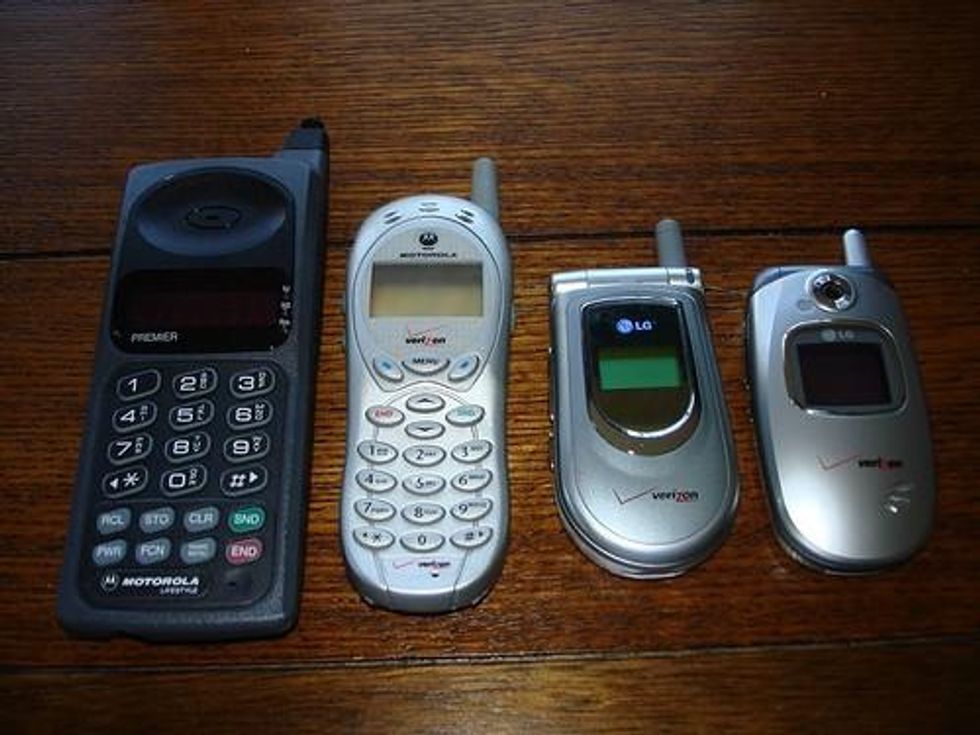
Last week, the Obama administration urged the U.S. Supreme Court to issue a precedent-setting ruling that the 4th amendment--which prohibits unreasonable and warrantless searches and seizures--somehow allows for warrantless searches of personal cell phones, the Washington Post reports.
The case in question dates back to 2007, when a man from Massachusetts was arrested for allegedly selling crack cocaine. Police seized his cell phone and, without a warrant, searched its contents to access information that allowed them to locate the defendant's home. Evidence found at the defendant's home was then used in court, and he was convicted of a felony.
The defendant appealed his conviction, arguing that the warrantless search of his phone violated his 4th amendment rights, and a 1st circuit court accepted the argument earlier this year, ruling that the police had acted unlawfully.
Last month the Obama administration stepped in and petitioned the Supreme Court to hear the case and rule that the cellphone search is, in fact, lawful, because, "a cellphone is no different than any other object a suspect might be carrying" and thus fair game for searches.
Yet, civil liberties advocates charge that cell phones contain vast troves of personal information, and warrantless access constitutes a severe violation of privacy rights.
"Our mobile devices hold our emails, text messages, social media accounts, and information about our health, finances, and intimate matters of our lives. That's sensitive information that police shouldn't be able to get without a warrant," said Linda Lye, staff attorney at the ACLU of Northern California, in reference to a separate case of a warrantless phone search earlier this year. "The Constitution gives us the right to speak freely and know that police won't have access to private communications in our cell phones unless there is a good reason."
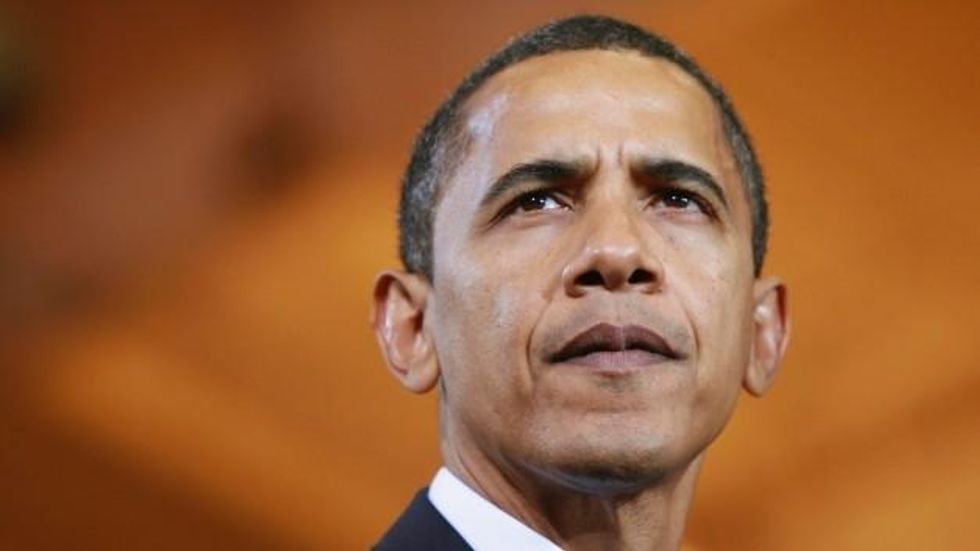
Obama is pushing for warrantless cell searches as a public scandal about unlawful NSA spying--which includes warrantless collecting of phone data--continues to spiral.
"We know the Obama Administration is spying on the American people's phone calls and emails. Now they want some of their activity legalized," declared D.S. Wright on FiredogLake. "It seems to be a two tracked system--if it's illegal the government will do it in secret and if its legal they will do it openly."
_____________________
Last week, the Obama administration urged the U.S. Supreme Court to issue a precedent-setting ruling that the 4th amendment--which prohibits unreasonable and warrantless searches and seizures--somehow allows for warrantless searches of personal cell phones, the Washington Post reports.
The case in question dates back to 2007, when a man from Massachusetts was arrested for allegedly selling crack cocaine. Police seized his cell phone and, without a warrant, searched its contents to access information that allowed them to locate the defendant's home. Evidence found at the defendant's home was then used in court, and he was convicted of a felony.
The defendant appealed his conviction, arguing that the warrantless search of his phone violated his 4th amendment rights, and a 1st circuit court accepted the argument earlier this year, ruling that the police had acted unlawfully.
Last month the Obama administration stepped in and petitioned the Supreme Court to hear the case and rule that the cellphone search is, in fact, lawful, because, "a cellphone is no different than any other object a suspect might be carrying" and thus fair game for searches.
Yet, civil liberties advocates charge that cell phones contain vast troves of personal information, and warrantless access constitutes a severe violation of privacy rights.
"Our mobile devices hold our emails, text messages, social media accounts, and information about our health, finances, and intimate matters of our lives. That's sensitive information that police shouldn't be able to get without a warrant," said Linda Lye, staff attorney at the ACLU of Northern California, in reference to a separate case of a warrantless phone search earlier this year. "The Constitution gives us the right to speak freely and know that police won't have access to private communications in our cell phones unless there is a good reason."
Obama is pushing for warrantless cell searches as a public scandal about unlawful NSA spying--which includes warrantless collecting of phone data--continues to spiral.
"We know the Obama Administration is spying on the American people's phone calls and emails. Now they want some of their activity legalized," declared D.S. Wright on FiredogLake. "It seems to be a two tracked system--if it's illegal the government will do it in secret and if its legal they will do it openly."
_____________________
Last week, the Obama administration urged the U.S. Supreme Court to issue a precedent-setting ruling that the 4th amendment--which prohibits unreasonable and warrantless searches and seizures--somehow allows for warrantless searches of personal cell phones, the Washington Post reports.
The case in question dates back to 2007, when a man from Massachusetts was arrested for allegedly selling crack cocaine. Police seized his cell phone and, without a warrant, searched its contents to access information that allowed them to locate the defendant's home. Evidence found at the defendant's home was then used in court, and he was convicted of a felony.
The defendant appealed his conviction, arguing that the warrantless search of his phone violated his 4th amendment rights, and a 1st circuit court accepted the argument earlier this year, ruling that the police had acted unlawfully.
Last month the Obama administration stepped in and petitioned the Supreme Court to hear the case and rule that the cellphone search is, in fact, lawful, because, "a cellphone is no different than any other object a suspect might be carrying" and thus fair game for searches.
Yet, civil liberties advocates charge that cell phones contain vast troves of personal information, and warrantless access constitutes a severe violation of privacy rights.
"Our mobile devices hold our emails, text messages, social media accounts, and information about our health, finances, and intimate matters of our lives. That's sensitive information that police shouldn't be able to get without a warrant," said Linda Lye, staff attorney at the ACLU of Northern California, in reference to a separate case of a warrantless phone search earlier this year. "The Constitution gives us the right to speak freely and know that police won't have access to private communications in our cell phones unless there is a good reason."
Obama is pushing for warrantless cell searches as a public scandal about unlawful NSA spying--which includes warrantless collecting of phone data--continues to spiral.
"We know the Obama Administration is spying on the American people's phone calls and emails. Now they want some of their activity legalized," declared D.S. Wright on FiredogLake. "It seems to be a two tracked system--if it's illegal the government will do it in secret and if its legal they will do it openly."
_____________________