

With 2013 upon us, New Year's resolutions are being scribbled down by the dozens. Maybe your resolutions include a commitment to healthier eating or more family time, kicking a bad habit or volunteering at a local nonprofit. Whatever your pleasure, the beginning of a new year is a fresh start. It feels like pure potential; like anything is possible.
What better way to kick off the year than to commit to more sharing? Whether cars, meals, officespace, childcare, time, skills or your home, sharing, in its many forms, is an excellent way to build community, consume fewer resources and support the sharing movement by putting your actions where your mind is.
To stir up some ideas and inspiration, we asked several leaders of sharing communities around the world to offer their thoughts on the best way to kick off a shareable 2013. Here's what they came up with.
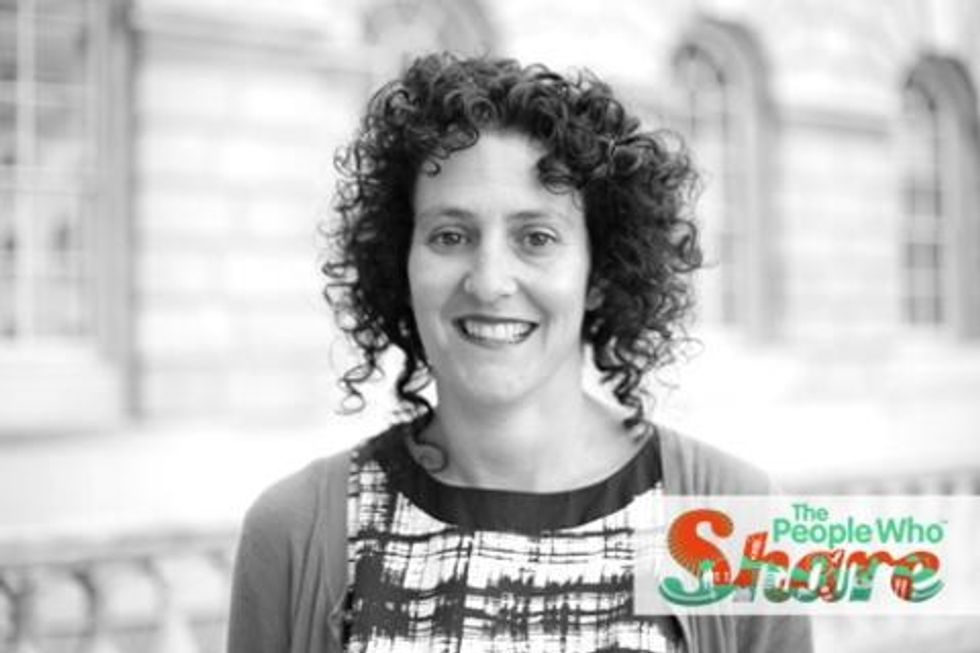
Benita Matofska - Founder of The People Who Share
Adam Werbach - Founder of Yerdle

Janelle Orsi - Sharing Lawyer

Set a bold example for sharing. Get bold about what you share and who you share with. Tell your neighbors you are open to lending your car, if anyone ever needs one. Tell your employer that you'd rather have your hours cut than to see one of your co-workers laid off. Offer to lend your favorite travel guitar to strangers you connect with online (such as through Yerdle). Let a friend of a friend of a friend stay on your couch for a week. Invite random strangers to stop by your house any time to borrow a bicycle pump. These are bold and powerful steps, but they exemplify what we all need to do to survive and thrive in very challenging times.
Antonin Leonard - Founder of Ouishare

I would say focus on people. Try to bring value to those people who already like you. Show them that you care about them. People are tired with online stuff, so find a way to make them interact in a meaningful way offline. And find young people who are very knowledgeable about social media and give them the keys of the house. That would be my advice.
Michel Bauwens - Founder of the P2P Foundation

The big priority is to create sustainable and ethical livelihoods that allow people to live from their productive passions, in pursuits that do not harm the planet. It is very important to do this not only with the classic ways of proprietary platforms but also through new forms of ethical market entities that are sharing- and commons-friendly and respect the autonomy of the contributors. I see the creation of contributory value systems, that generate a flow of wealth to all citizens, to be one of the big priorities. We have to step away from unsustainable profit-maximising models to profit-making systems that are in the service of social goals.
Darren Sharp - Editor of Shareable Australia

Daniel Bartel - Founder of KoKonsum

Adam Berk - Founder of Neigh*borrow and Shared Squared

That said, without getting back to the pedantics... crash diets do not work. I would rather challenge the founders to solve one problem in the space, than to challenge the consumers to use the services. If the consumers need a commitment device, or a constant challenge, it means the founders (myself included) are not doing a good enough job of making the value proposition compelling enough.
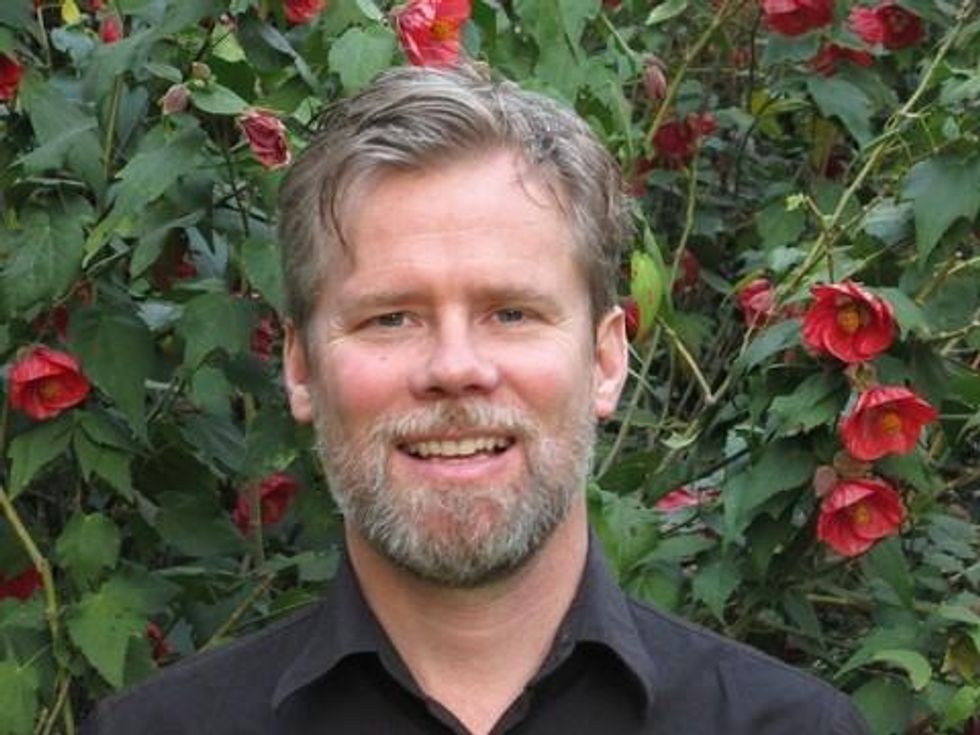
Neal Gorenflo - Publisher of Shareable
With 2013 upon us, New Year's resolutions are being scribbled down by the dozens. Maybe your resolutions include a commitment to healthier eating or more family time, kicking a bad habit or volunteering at a local nonprofit. Whatever your pleasure, the beginning of a new year is a fresh start. It feels like pure potential; like anything is possible.
What better way to kick off the year than to commit to more sharing? Whether cars, meals, officespace, childcare, time, skills or your home, sharing, in its many forms, is an excellent way to build community, consume fewer resources and support the sharing movement by putting your actions where your mind is.
To stir up some ideas and inspiration, we asked several leaders of sharing communities around the world to offer their thoughts on the best way to kick off a shareable 2013. Here's what they came up with.
Benita Matofska - Founder of The People Who Share
Adam Werbach - Founder of Yerdle
Janelle Orsi - Sharing Lawyer
Set a bold example for sharing. Get bold about what you share and who you share with. Tell your neighbors you are open to lending your car, if anyone ever needs one. Tell your employer that you'd rather have your hours cut than to see one of your co-workers laid off. Offer to lend your favorite travel guitar to strangers you connect with online (such as through Yerdle). Let a friend of a friend of a friend stay on your couch for a week. Invite random strangers to stop by your house any time to borrow a bicycle pump. These are bold and powerful steps, but they exemplify what we all need to do to survive and thrive in very challenging times.
Antonin Leonard - Founder of Ouishare
I would say focus on people. Try to bring value to those people who already like you. Show them that you care about them. People are tired with online stuff, so find a way to make them interact in a meaningful way offline. And find young people who are very knowledgeable about social media and give them the keys of the house. That would be my advice.
Michel Bauwens - Founder of the P2P Foundation
The big priority is to create sustainable and ethical livelihoods that allow people to live from their productive passions, in pursuits that do not harm the planet. It is very important to do this not only with the classic ways of proprietary platforms but also through new forms of ethical market entities that are sharing- and commons-friendly and respect the autonomy of the contributors. I see the creation of contributory value systems, that generate a flow of wealth to all citizens, to be one of the big priorities. We have to step away from unsustainable profit-maximising models to profit-making systems that are in the service of social goals.
Darren Sharp - Editor of Shareable Australia
Daniel Bartel - Founder of KoKonsum
Adam Berk - Founder of Neigh*borrow and Shared Squared
That said, without getting back to the pedantics... crash diets do not work. I would rather challenge the founders to solve one problem in the space, than to challenge the consumers to use the services. If the consumers need a commitment device, or a constant challenge, it means the founders (myself included) are not doing a good enough job of making the value proposition compelling enough.
Neal Gorenflo - Publisher of Shareable
With 2013 upon us, New Year's resolutions are being scribbled down by the dozens. Maybe your resolutions include a commitment to healthier eating or more family time, kicking a bad habit or volunteering at a local nonprofit. Whatever your pleasure, the beginning of a new year is a fresh start. It feels like pure potential; like anything is possible.
What better way to kick off the year than to commit to more sharing? Whether cars, meals, officespace, childcare, time, skills or your home, sharing, in its many forms, is an excellent way to build community, consume fewer resources and support the sharing movement by putting your actions where your mind is.
To stir up some ideas and inspiration, we asked several leaders of sharing communities around the world to offer their thoughts on the best way to kick off a shareable 2013. Here's what they came up with.
Benita Matofska - Founder of The People Who Share
Adam Werbach - Founder of Yerdle
Janelle Orsi - Sharing Lawyer
Set a bold example for sharing. Get bold about what you share and who you share with. Tell your neighbors you are open to lending your car, if anyone ever needs one. Tell your employer that you'd rather have your hours cut than to see one of your co-workers laid off. Offer to lend your favorite travel guitar to strangers you connect with online (such as through Yerdle). Let a friend of a friend of a friend stay on your couch for a week. Invite random strangers to stop by your house any time to borrow a bicycle pump. These are bold and powerful steps, but they exemplify what we all need to do to survive and thrive in very challenging times.
Antonin Leonard - Founder of Ouishare
I would say focus on people. Try to bring value to those people who already like you. Show them that you care about them. People are tired with online stuff, so find a way to make them interact in a meaningful way offline. And find young people who are very knowledgeable about social media and give them the keys of the house. That would be my advice.
Michel Bauwens - Founder of the P2P Foundation
The big priority is to create sustainable and ethical livelihoods that allow people to live from their productive passions, in pursuits that do not harm the planet. It is very important to do this not only with the classic ways of proprietary platforms but also through new forms of ethical market entities that are sharing- and commons-friendly and respect the autonomy of the contributors. I see the creation of contributory value systems, that generate a flow of wealth to all citizens, to be one of the big priorities. We have to step away from unsustainable profit-maximising models to profit-making systems that are in the service of social goals.
Darren Sharp - Editor of Shareable Australia
Daniel Bartel - Founder of KoKonsum
Adam Berk - Founder of Neigh*borrow and Shared Squared
That said, without getting back to the pedantics... crash diets do not work. I would rather challenge the founders to solve one problem in the space, than to challenge the consumers to use the services. If the consumers need a commitment device, or a constant challenge, it means the founders (myself included) are not doing a good enough job of making the value proposition compelling enough.
Neal Gorenflo - Publisher of Shareable