SUBSCRIBE TO OUR FREE NEWSLETTER
Daily news & progressive opinion—funded by the people, not the corporations—delivered straight to your inbox.
5
#000000
#FFFFFF
To donate by check, phone, or other method, see our More Ways to Give page.
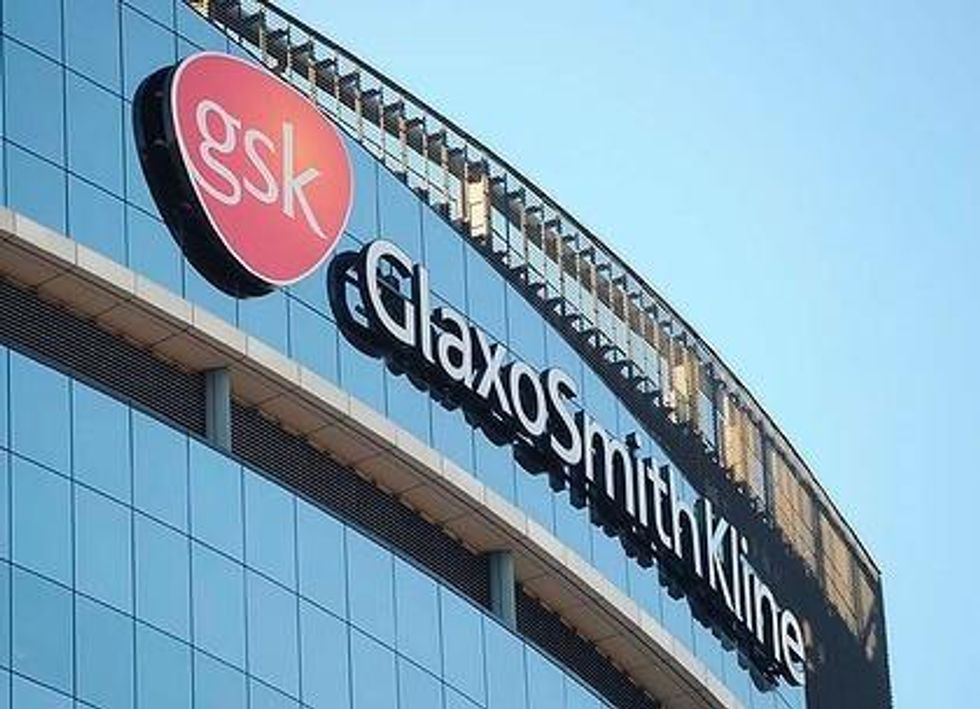
Earlier this week the Justice Department announced a $3 billion settlement of criminal and civil charges against pharma giant GlaxoSmithKline -- the largest pharmaceutical settlement in history -- for improper marketing prescription drugs in the late 1990s to the mid-2000s.
The charges are deadly serious. Among other things, Glaxo was charged with promoting to kids under 18 an antidepressant approved only for adults; pushing two other antidepressants for unapproved purposes, including remedying sexual dysfunction; and, to further boost sales of prescription drugs, showering doctors with gifts, consulting contracts, speaking fees, even tickets to sporting events.
$3 billion may sound like a lot of money, but during these years Glaxo made $27.5 billion on these three antidepressants alone, according to IMS Health, a data research firm -- so the penalty could almost be considered a cost of doing business.
Besides, to the extent the penalty affects Glaxo's profits and its share price, the wrong people will be feeling the financial pain. Most of today's Glaxo shareholders bought into the company after the illegal profits were already built into the prices they paid for their shares.
Not a single executive has been charged -- even though some charges against the company are criminal. Glaxo's current CEO came on board after all this happened. Glaxo has agreed to reclaim the bonuses of any executives who engaged in or supervised illegal behavior, but the company hasn't officially admitted to any wrongdoing - and without legal charges against any of executive it's impossible to know whether Glaxo will follow through.
The Glaxo case is the latest and biggest in a series of Justice Department prosecutions of Big Pharma for illegal marketing prescription drugs. In May, Abbott Laboratories settled for $1.6 billion over its wrongful marketing of an antipsychotic. And an agreement with Johnson & Johnson is said to be imminent over its marketing of another antipsychotic, which could result in a fine of as much as $2 billion.
The Department says the prosecutions are well worth the effort. By one estimate it's recovered more than $15 for every $1 it's spent.
But what's the point if the fines are small relative to the profits, if the wrong people are feeling the financial pinch, and if no executive is held accountable?
The only way to get big companies like these to change their behavior is to make the individuals responsible feel the heat.
An even more basic issue is why the advertising and marketing of prescription drugs is allowed at all, when consumers can't buy them and shouldn't be influencing doctor's decisions anyway. Before 1997, the Food and Drug Administration banned such advertising on TV and radio. That ban should be resurrected.
Finally, there's no good reason why doctors should be allowed to accept any perks at all from companies whose drugs they write prescriptions for. It's an inherent conflict of interest. Codes of ethics that are supposed to limit such gifts obviously don't work. All perks should be banned, and doctors that accept them should be subject to potential loss of their license to practice.
Earlier this week the Justice Department announced a $3 billion settlement of criminal and civil charges against pharma giant GlaxoSmithKline -- the largest pharmaceutical settlement in history -- for improper marketing prescription drugs in the late 1990s to the mid-2000s.
The charges are deadly serious. Among other things, Glaxo was charged with promoting to kids under 18 an antidepressant approved only for adults; pushing two other antidepressants for unapproved purposes, including remedying sexual dysfunction; and, to further boost sales of prescription drugs, showering doctors with gifts, consulting contracts, speaking fees, even tickets to sporting events.
$3 billion may sound like a lot of money, but during these years Glaxo made $27.5 billion on these three antidepressants alone, according to IMS Health, a data research firm -- so the penalty could almost be considered a cost of doing business.
Besides, to the extent the penalty affects Glaxo's profits and its share price, the wrong people will be feeling the financial pain. Most of today's Glaxo shareholders bought into the company after the illegal profits were already built into the prices they paid for their shares.
Not a single executive has been charged -- even though some charges against the company are criminal. Glaxo's current CEO came on board after all this happened. Glaxo has agreed to reclaim the bonuses of any executives who engaged in or supervised illegal behavior, but the company hasn't officially admitted to any wrongdoing - and without legal charges against any of executive it's impossible to know whether Glaxo will follow through.
The Glaxo case is the latest and biggest in a series of Justice Department prosecutions of Big Pharma for illegal marketing prescription drugs. In May, Abbott Laboratories settled for $1.6 billion over its wrongful marketing of an antipsychotic. And an agreement with Johnson & Johnson is said to be imminent over its marketing of another antipsychotic, which could result in a fine of as much as $2 billion.
The Department says the prosecutions are well worth the effort. By one estimate it's recovered more than $15 for every $1 it's spent.
But what's the point if the fines are small relative to the profits, if the wrong people are feeling the financial pinch, and if no executive is held accountable?
The only way to get big companies like these to change their behavior is to make the individuals responsible feel the heat.
An even more basic issue is why the advertising and marketing of prescription drugs is allowed at all, when consumers can't buy them and shouldn't be influencing doctor's decisions anyway. Before 1997, the Food and Drug Administration banned such advertising on TV and radio. That ban should be resurrected.
Finally, there's no good reason why doctors should be allowed to accept any perks at all from companies whose drugs they write prescriptions for. It's an inherent conflict of interest. Codes of ethics that are supposed to limit such gifts obviously don't work. All perks should be banned, and doctors that accept them should be subject to potential loss of their license to practice.
Earlier this week the Justice Department announced a $3 billion settlement of criminal and civil charges against pharma giant GlaxoSmithKline -- the largest pharmaceutical settlement in history -- for improper marketing prescription drugs in the late 1990s to the mid-2000s.
The charges are deadly serious. Among other things, Glaxo was charged with promoting to kids under 18 an antidepressant approved only for adults; pushing two other antidepressants for unapproved purposes, including remedying sexual dysfunction; and, to further boost sales of prescription drugs, showering doctors with gifts, consulting contracts, speaking fees, even tickets to sporting events.
$3 billion may sound like a lot of money, but during these years Glaxo made $27.5 billion on these three antidepressants alone, according to IMS Health, a data research firm -- so the penalty could almost be considered a cost of doing business.
Besides, to the extent the penalty affects Glaxo's profits and its share price, the wrong people will be feeling the financial pain. Most of today's Glaxo shareholders bought into the company after the illegal profits were already built into the prices they paid for their shares.
Not a single executive has been charged -- even though some charges against the company are criminal. Glaxo's current CEO came on board after all this happened. Glaxo has agreed to reclaim the bonuses of any executives who engaged in or supervised illegal behavior, but the company hasn't officially admitted to any wrongdoing - and without legal charges against any of executive it's impossible to know whether Glaxo will follow through.
The Glaxo case is the latest and biggest in a series of Justice Department prosecutions of Big Pharma for illegal marketing prescription drugs. In May, Abbott Laboratories settled for $1.6 billion over its wrongful marketing of an antipsychotic. And an agreement with Johnson & Johnson is said to be imminent over its marketing of another antipsychotic, which could result in a fine of as much as $2 billion.
The Department says the prosecutions are well worth the effort. By one estimate it's recovered more than $15 for every $1 it's spent.
But what's the point if the fines are small relative to the profits, if the wrong people are feeling the financial pinch, and if no executive is held accountable?
The only way to get big companies like these to change their behavior is to make the individuals responsible feel the heat.
An even more basic issue is why the advertising and marketing of prescription drugs is allowed at all, when consumers can't buy them and shouldn't be influencing doctor's decisions anyway. Before 1997, the Food and Drug Administration banned such advertising on TV and radio. That ban should be resurrected.
Finally, there's no good reason why doctors should be allowed to accept any perks at all from companies whose drugs they write prescriptions for. It's an inherent conflict of interest. Codes of ethics that are supposed to limit such gifts obviously don't work. All perks should be banned, and doctors that accept them should be subject to potential loss of their license to practice.