

SUBSCRIBE TO OUR FREE NEWSLETTER
Daily news & progressive opinion—funded by the people, not the corporations—delivered straight to your inbox.
5
#000000
#FFFFFF
To donate by check, phone, or other method, see our More Ways to Give page.
Daily news & progressive opinion—funded by the people, not the corporations—delivered straight to your inbox.
“Federal employees have the right to speak out on matters of public concern in their personal capacities, even when they do so in dissent,” said one of the lawyers representing the fired workers.
Six former employees of the US Environmental Protection Agency filed a First Amendment challenge in court on Wednesday to their firing earlier this year for criticizing the Trump administration's environmental policies.
The employees were among 160 who were fired shortly after signing a "declaration of dissent" in June against EPA Administrator Lee Zeldin, whom they said was “recklessly undermining” the agency’s mission and “ignoring scientific consensus to benefit polluters.”
In their claim before the US Merit Systems Protection Board, which adjudicates appeals from fired federal workers, the six employees argued that they were illegally fired for exercising their First Amendment right to free speech and that those firings were carried out in retaliation for their political affiliation.
The fired workers also argued that they arbitrarily received harsher treatment than many other employees who signed the letter, who were suspended without pay for two weeks.
According to Public Employees for Environmental Responsibility (PEER), one of the groups defending the employees, many of them had lengthy, distinguished careers of federal service.
One of them, John Darling, was a senior research biologist who spent over two decades helping the EPA curb the damage to endangered aquatic species.
Another, Tom Luben, is an expert in environmental epidemiology who worked at the EPA for over 18 years investigating how air pollution can cause pregnancy complications, and had received 14 National Honor Awards for his contributions over the years.
A third, Missy Haniewicz, served for a decade and was working on hazardous waste cleanup projects at more than 20 sites across Utah at the time she was fired.
PEER provided an example of one of the termination notices the fired employees received. Both the names of the employee and the official who sent the notice were redacted, along with other identifying information.
The termination notice states that the individual was fired for "conduct unbecoming of a federal employee." Although the document notes the employee's "[years] of federal service, most recent distinguished performance rating, awards, and... lack of disciplinary history," it says all of that was outweighed by the “serious nature of your misconduct.”
"The agency is not required to tolerate actions from its employees that undermine the agency’s decisions, interfere with the agency’s operations and mission, and the efficient fulfillment of the agency’s responsibilities to the public," the notice adds. "As an EPA employee, you are required to maintain proper discipline and refrain from conduct that can adversely affect morale in the workplace, foster disharmony, and ultimately impede the efficiency of the agency."
The legal team defending the employee and their colleagues argues that this is untrue. They argue that these employees' terminations violate the Civil Service Reform Act of 1978, which says employees are "protected against arbitrary action, personal favoritism, or coercion for partisan political purposes." It also protects whistleblowers who publicize information they reasonably believe to be a violation of law, abuse of authority, or danger to public health and safety.
“Federal employees have the right to speak out on matters of public concern in their personal capacities, even when they do so in dissent,” says Joanna Citron Day, general counsel for PEER. “EPA is not only undermining the First Amendment’s free speech protections by trying to silence its own workforce, it is also placing US citizens in peril by removing experienced employees who are tasked with carrying out EPA’s critical mission.”
The second Trump administration has laid off approximately 300,000 federal civil servants over the past year, with some of them being carried out in apparent retaliation for dissent.
On Tuesday—after being briefly reinstated—14 employees at the Federal Emergency Management Agency (FEMA) were placed back on administrative leave for signing an open letter of dissent in August, warning that cuts to the agency were putting it at risk of similar failures to those after Hurricane Katrina in 2005.
And weeks after over a thousand anonymous Department of Health and Human Services employees called for the resignation of Secretary Robert F. Kennedy Jr. in September, accusing him of "placing the health of all Americans at risk," more than a thousand employees across the department were culled in what was dubbed a "Friday Night Massacre."
Eden Brown Gaines, whose law firm is also defending the employees, said, “If America is to remain on the course of democracy and honor the principles of its Constitution, we must allow its judicial system to restore employment for those unjustly fired and our collective faith in our country."
"Truth is not a fireable offense," PEER said in a statement.

The environmental and public health challenges posed by PFAS are immense. EPA needs to do much more than it is doing.
Every day there is a new headline about discoveries of dangerous amounts of toxic per- and polyfluoroalkyl substances or PFAS in groundwater, municipal wastewater systems, in soil outside military bases and on farms, in freshwater fish, in human blood, and even in mothers’ milk. It seems like the PFAS pollution crisis is out of control.
This April, the Environmental Protection Agency (EPA) finally set a maximum drinking water contamination limit for two of the oldest and most widespread PFAS. That limit was set at 4 parts per trillion, but EPA also acknowledged that there is no safe amount of PFAS for human consumption.
While this was an important regulatory step, EPA does not appear to have grasped the implications of its own action. Removing PFAS from our water will be very, very expensive, and it will not stop the endless cycle of contamination. To stop this crisis, EPA must interrupt the flow of PFAS reaching our water, soil, and food chain every day.
Although it is far less expensive and far more feasible to prevent PFAS from reaching the environment in the first place than removing these aptly named “forever chemicals,” EPA does not yet have a PFAS containment strategy.
In fact, it seems that EPA is spending more time impeding PFAS containment than implementing it. Consider these examples:
Plastic Containers. Inhance Technologies fluorinates an estimated 200 million containers a year for a wide array of products, such as chemicals, pesticides, personal care products, and fuels, as well as edible oils and flavorings. The fluorinated linings create PFAS which leach into the containers’ contents. This means PFAS contaminates a huge portion of all U.S. commerce.
Yet, EPA moved to block a citizen suit against Inhance on the grounds that EPA was handling the issue. After EPA’s enforcement effort was invalidated by the 5th Circuit Court of Appeals, EPA declined to appeal or take any other action. As a result, the citizen groups are gearing up again to seek a ban on these PFAS-laden containers in favor of available alternative barrier technologies that do not create PFAS.
Biosolid Fertilizers. Biosolid fertilizers are made from sewage sludge. PFAS are not removed at wastewater treatment plants, and EPA does not limit the amount of PFAS they can contain. Yet under the Clean Water Act, EPA has long been required to identify toxic pollutants in biosolids and adopt regulations to prevent harm to human health or the environment. Unfortunately, it is a responsibility the agency has neglected for decades.
Meanwhile, farms, ranches, and dairies ranging from New Mexico to Maine have been devastated by PFAS contamination from biosolids. Unfortunately, EPA has ignored their pleas for assistance. Now some of these victimized farmers are suing EPA for its failure to prevent set standards for PFAS in biosolids.
Pesticides. PFAS have been found in many insecticides at incredibly high levels. These PFAS are being taken up into the roots and shoots of plants, which means that they are entering our food supply through contaminated soils, water, and the pesticides themselves. Since these are “forever chemicals,” this contamination will last long after the pesticide application.
Ignoring a growing trove of evidence, EPA contends there are no PFAS in pesticides and is discouraging states from testing. The agency has even gone so far as to publish faulty test results in attempt to conceal that scientists had confirmed widespread presence of PFAS in pesticides.
Landfills. Disposal, transportation, and importation of PFAS remains largely unregulated. For example, huge amounts of PFAS are leaching out of U.S. landfills, burned in incinerators, and injected underground with no regulations. Meanwhile, the agency has resisted efforts to designate hundreds of dangerous PFAS chemicals as “hazardous waste,” and regulate them stringently from cradle to grave.
Artificial Turf. Currently, there are an estimated 18,000 synthetic turf sports fields in the U.S., with more than a thousand new installations each year. All brands of artificial turf tested contain PFAS in carpet grass fibers. Besides the direct human exposure, PFAS is leaching off these fields into nearby surface and groundwater, some of which are sources of drinking water,
In addition, there is growing evidence that the PFAS on these surfaces is rubbing off on players’ skin with worrisome consequences. Yet, EPA has yet to even look at this exposure vector.
The environmental and public health challenges posed by PFAS are immense. EPA needs to do much more than it is doing. If the agency will not help abate exposures, it should at least get out of the way and allow states and NGOs to stop this contamination crisis.
"By sitting on this critical information, EPA is advancing the private interests of a corporate violator and shirking its public health responsibilities," said one plaintiff's attorney.
A federal lawsuit filed Thursday by a pair of environmental advocacy groups accuses the U.S. Environmental Protection Agency of "wrongfully withholding test data and other vital information" regarding the presence of so-called "forever chemicals" in millions of fluorinated plastic containers.
The lawsuit—filed in the U.S. District Court in Washington, D.C. by Public Employees for Environmental Responsibility (PEER) and the Center for Environmental Health (CEH)—argues that the EPA is violating Toxic Substances Control Act (TSCA) disclosure requirements by improperly classifying health and safety data as trade secrets.
Referring to per- and polyfluoroalkyl substances—commonly known as forever chemicals because they do not biodegrade and accumulate in the human body—the suit also accuses the EPA of "denying the public access to the results of testing showing the levels of PFAS in fluorinated plastic containers and their contents along with the identities of the products in which these toxic materials are present."
PEER and CEH said that after they filed a Freedom of Information Act request "for documents shedding light on the health risks associated with PFAS in fluorinated containers," the EPA granted trade secret protection sought by Inhance Technologies, LLC.
Fluorination involves the high-temperature application of fluorine gas to plastic containers to make them more resistant to discoloration and permeation by solvents.
As PEER explained:
PFAS chemicals are formed during the fluorination of high-density polyethylene plastic containers by Inhance Technologies, LLC of Houston, Texas. Inhance is the sole U.S. company conducting this type of fluorination. Studies by EPA, independent researchers, and Inhance itself show that PFAS leaches from the walls of containers into their contents, thus exposing millions of people to PFAS without their knowledge...
Inhance fluorinates 200 million containers a year which are used to package diverse products ranging from fuels to foodstuffs, cosmetics, and cleaning products which consumers and workers use on a daily basis.
"EPA has found that these containers constitute a public health threat, a long-awaited determination that also should encompass the public's right to know," CEH counsel Bob Sussman, who is also a former senior EPA official, said in a statement announcing the new lawsuit.
Used in a broad range of products from clothing to nonstick cookware to firefighting foam, PFAS is linked to cancers of the kidneys and testicles, low infant weight, suppressed immune function, and other adverse health effects. It is found in the blood of 99% of Americans and a similar percentage of people around the world.
"Given the unquestionably major public health stakes, EPA should be stepping up and maximizing access to health and safety data, but the agency is disclosing vital information only grudgingly and with lingering secrecy even though disclosure is mandated by TSCA," Sussman lamented.
Colleen Teubner, PEER's litigation and policy attorney, asserted that "the cloak of confidential business information cannot be used to hide health and safety studies as EPA is currently doing."
"By sitting on this critical information, EPA is advancing the private interests of a corporate violator and shirking its public health responsibilities," she added.
The new lawsuit follows a December 2022 court filing by PEER and CEH seeking to stop Inhance from generating forever chemicals during the manufacture of plastic containers.
Thousands of PFAS-related lawsuits have been launched in U.S. courts over recent decades.
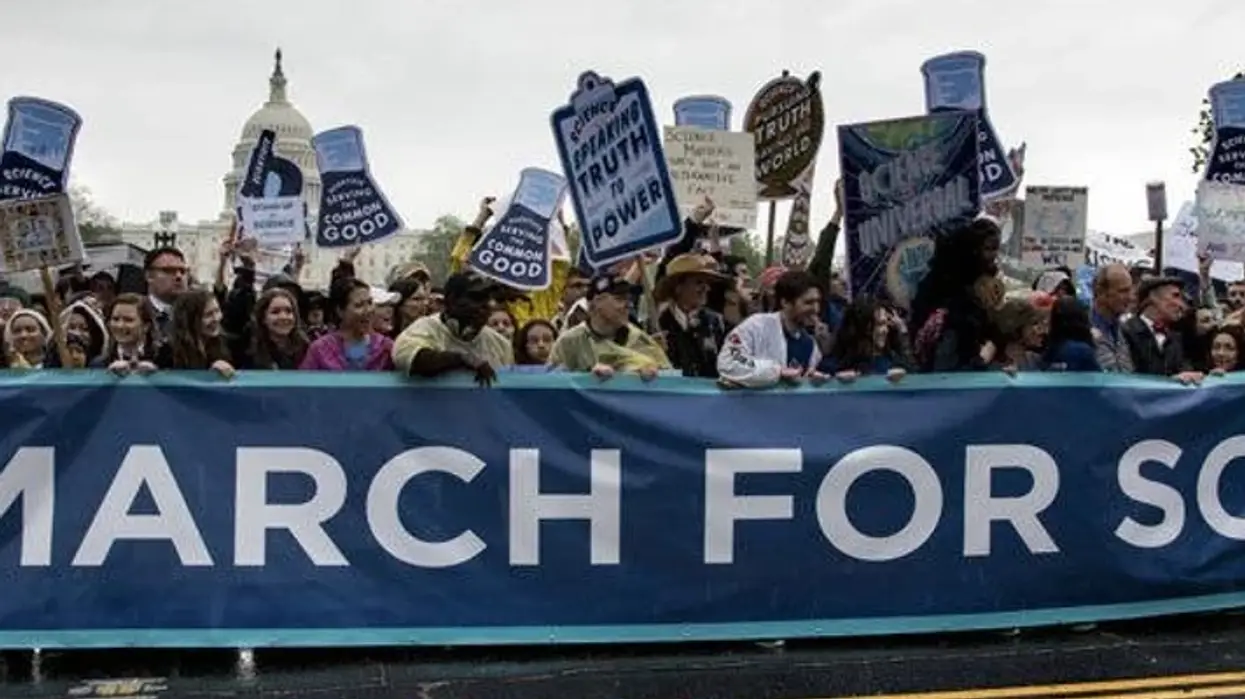
It is difficult to see what about this administration's policy would prevent a return to the reign of “alternative facts” should Trump be reelected.
Following the tumultuous Trump years when scientific fact and fiction often clashed, President Joe Biden resolved to strengthen federal protections against suppression or alteration of government science. Just days after his inauguration, he issued an all-agency directive to bolster the scientific integrity policies that had proven so useless in stemming the abuses of Trump and his appointees.
This effort was launched under the hopeful banner of “Restoring Trust in Government Through Scientific Integrity.” Now, months behind schedule, the first revamped scientific integrity policy crafted under this initiative is rolling out. Unfortunately, it leaves a lot to be desired.
If finalized, this revised policy would cover thousands of scientists and technical analysts working within the behemoth $1.7 trillion Department of Health & Human Services (HHS), which spans a dozen divisions and includes nine separate public health agencies, such as the National Institutes of Health (NIH), Centers for Disease Control & Prevention, and Food & Drug Administration.
It will also likely serve as the template for new policies that are supposed to be adopted in all other federal agencies doing scientific work. Distressingly, among other shortcomings, this draft policy:
Under this proposed policy, every aspect of enforcing scientific integrity principles would remain a captive of the political process inside the agencies. Thus, it is difficult to see what about this policy would prevent a return to the reign of “alternative facts” should Trump be reelected. Moreover, in the unlikely event that it did prove restrictive, a reelected Trump could simply rescind it, just as he did so many other Obama-era policies.
One core problem was the White House “framework” for this policy, issued earlier this year. Ths framework was composed largely by the same agency scientific integrity officers who presided over the Obama-era policies which had proven so ineffectual under Trump.
As a result, the organizing principle behind both the HHS draft and the White House framework appears to be bureaucratic self-protection. That explains the lack of transparency pervasive throughout the draft HHS policy which, tellingly, stipulates that “all descriptions of investigations and appeals will be anonymized.”
How is public trust in the credibility of government science supposed to be enhanced by closed-door investigations overseen by officials named by political appointees and reported to the public only in “anonymized” versions?
Perhaps one reason for these disappointing results is that it was overseen by the White House Office of Science & Technology Policy. Before the work had barely begun, the OSTP Director was forced to resign for bullying his staff. That left the reins for this project of an OSTP Deputy Director who last year was sanctioned by the National Academy of Sciences for misconduct and barred from participating in its publications and activities for five years.
Consequently, agencies were allowed to write scientific integrity rules in the most self-serving fashion possible. This, in turn, means that agencies will invoke scientific integrity principles only when it is politically convenient—an arrangement that defeats the entire purpose of this elaborate scientific integrity policy formulation effort.
Preventing this unfolding implosion propelled by institutional self-interest will require that the Biden brain trust radically change course. Rather than pursuing this murky agency-by-agency approach, the White House should impose government-wide rules that would:
There is no plausible reason why scientists in different agencies should be treated differently or have different rights. These government-wide rules would not only drive significant change but would also surmount the bureaucratic strategies where ground-breaking science is often strangled. Further, it may encourage Congress to codify these safeguards so that they may not be wiped summarily wiped out by a succeeding president.
Simply put, restoring trust in government science requires the ability of the public to verify that its trust is merited.
"Nothing about this proposed policy would prevent a return to the reign of 'alternative facts' should Trump be reelected," said one critic.
A coalition of public health and science advocacy groups on Tuesday called on the Biden administration to strengthen its proposed scientific integrity policy, warning that the proposal does little to solve the problem of the political interference that was rampant in the federal government under former Republican President Donald Trump.
Shortly after taking office, President Joe Biden signed an executive order pledging to "protect scientists from political interference and ensure they can think, research, and speak freely to provide valuable information and insights to the American people," followed by a requirement for federal agencies to review how such interference can be avoided through policy changes.
More than two years later, the White House Office of Science and Data Policy joined the U.S. Department of Health and Human Services (HHS) in releasing a draft policy which, if finalized, would cover all scientists working within the department and could serve as a template for other federal agencies.
But without provisions for independent investigations into alleged misconduct, legal protections for scientists doing certain types of work, and with "few safeguards against scientific work being altered or suppressed," the coalition said the draft "leaves a lot to be desired."
"Scientific integrity problems at HHS have ranged from unwarranted age restrictions on emergency contraception during the Obama administration to halting important research and interfering with Covid-19 guidance during the Trump administration."
Groups including Public Employees for Environmental Responsibility (PEER), the Government Accountability Project, and the Center for Reproductive Rightswrote to the administration to warn that both Democratic and Republican administrations have stood in the way of scientific integrity, calling for vigilance from the Biden White House.
"Scientific integrity problems at HHS have ranged from unwarranted age restrictions on emergency contraception during the Obama administration to halting important research and interfering with Covid-19 guidance during the Trump administration," wrote the groups in their public comments on the policy. "HHS should design its scientific integrity policy to provide protections against such meddling and effective avenues for correction when interference occurs. HHS should also consider the possibility of individuals acting in bad faith using the policy to harass scientists who are doing their jobs, and HHS should erect barriers to such bad-faith attempts."
The groups listed a number of areas in which they believe the new draft policy is lacking, including:
PEER pointed out that the lack of specific guidance for grantees is a "major gap" in the policy, as much of the scientific work at agencies such as the National Institutes of Health is completed by scientists who receive grants.
The group's comments notes that the right-wing Trump administration canceled teen pregnancy prevention grants and terminated federally funded research using fetal tissue, yet the policy draft does not include "specific protections against early termination of both research and service grants for political reasons."
The policy's "'Protecting Scientific Processes' section could include a prohibition against terminating intramural or extramural research funding for reasons other than breach of contract, abusive behavior, or gross mismanagement," the groups said.
"Nothing about this proposed policy would prevent a return to the reign of 'alternative facts' should Trump be reelected," said Pacific PEER director Jeff Ruch. "Under this proposed policy, every aspect of enforcing scientific integrity principles would remain a captive of the political process inside the agencies."
The policy also includes "the extremely broad statement that HHS scientists 'shall refrain from making or publishing statements that could be construed as being judgments of, or recommendations on, HHS or any other federal government policy,'" reads the letter. "A bad-faith actor seeking to harass a scientist whose work they find distasteful could claim to have 'construed' virtually any statement as a judgment of government policy."
"For instance," the groups added, "a scientist who makes a factual statement about the effect of a policy—for instance, explaining how a Trump administration directive to stop procuring fetal tissue halted work on an HIV study—could be accused of criticizing that policy decision. We recommend that HHS remove this text from its scientific integrity policy to avoid creating a weapon for bad-faith actors."
The watchdogs applauded the administration for taking steps to protect government scientists from retaliation, "rather than relying on existing whistleblower protections alone."
But the policy, they said, should include language assuring scientists that they can work "free from reprisal or concern for reprisal" and should "specifically provide protections against blocklisting/blacklisting and retaliatory investigations and offer an affirmative defense to whistleblowers who are subjected to civil or criminal lawsuits."
When Biden announced an overhaul of scientific integrity policies to protect scientists in 2021, groups including PEER said the move was a "welcome change from the Trump administration."
On Tuesday, however, Ruch warned that "little about this proposed policy would restore public faith in the credibility of government science."

"The FWS is tasked with preventing extinctions, using sound science when making decisions to prevent those extinctions, and with being accountable to the entire public—not funding controversial predator-control actions for the purported benefit of a few."
A rulemaking petition demanding an end to federal support for the removal of wolves and bears from states such as Alaska has been languishing at the U.S. Interior Department for almost two years, nearly three dozen conservation groups and scientists said in a letter to Interior Secretary Deb Haaland on Tuesday as they raised alarm about a recent killing operation.
Led by Public Employees for Environmental Responsibility (PEER), the Humane Society of the United States, and the Global Indigenous Council, 35 organizations wrote to the secretary to raise alarm about the U.S. Fish and Wildlife Service's (FWS) continued funding of "irresponsible and controversial predator-control projects."
Nearly 30 groups
signed the petition in September 2021 that demanded a rulemaking process to stop federal subsidies from supporting so-called "conservation projects" in which state officials oversee the killing of certain predator species—regardless of their federal protected status—in order to boost populations of other species.
"Since its submission the petitioners have not received a response," wrote the groups on Tuesday. "We request a meeting with the secretary to discuss the rulemaking petition."
The letter was sent two months after the Alaska Department of Fish and Game (ADFG) concluded a large-scale operation in which it gunned down 94 brown bears, including cubs, five black bears, and five wolves in order to increase "caribou calf recruitment" in southwestern Alaska. Caribou are often targeted by game hunters in the state.
Claiming to run a program aimed at boosting sustainability in Alaska, ADFG agents "shoot brown bears and black bears from helicopters, snare bears, and even shoot mother brown bears accompanied by cubs," wrote the groups. "Wolves face similar fates, and are targeted in the controversial 'Judas wolf' program in which radio-collared wolves who return to their pack enable ADFG agents to discover and eliminate the entire pack. The agency also aerial-guns wolves and poisons their pups in their dens."
The recent operation that took place in Alaska this spring appeared to be the largest of its kind in the state's history, with agents "inexplicably" killing at least four times as many brown bears as it had originally planned to.
The agency and other state game departments use federal aid that exceeds $1 billion annually to conduct such operations, according to PEER.
Haaland's rejection of the funding could help end the large-scale killings, the groups suggested Tuesday as they asked the interior secretary to meet with them.
Wendy Keefover, senior strategist for native carnivore protection for the Humane Society, said killing operations like the one that took place in Alaska "directly contradict federal wildlife policy," as the FWS is tasked with protecting species including brown bears and gray wolves and managing biodiversity.
"The Biden administration should suspend all further payments of federal funds to the Alaska Department of Fish and Game until its wildlife management complies with federal ecological standards," said Keefover.
Rick Steiner, board chair of PEER, also noted that killing operations are "economically counterproductive" in addition to being "scientifically bankrupt," as "millions of tourists travel to Alaska spending billions of dollars annually—just to catch a glimpse of Alaska's iconic bears and wolves in the wild."
The groups pointed to a letter signed by 55 wildlife scientists in 2018, which objected to the repeal of protections for carnivores in the interest of growing populations of caribou and other species—"privileging the human use" of wildlife "over all other considerations, including maintaining sustainable wildlife populations for future generations." The practice is ineffective, said the scientists, in addition to being disruptive of natural biodiversity.
"The scientific consensus for the last several decades has generally concluded that carnivores modulate ungulate prey populations and make them more vigorous, because predators remove the sick and weak animals which would die of other natural causes anyway, or because they reduce their competitors, including smaller wild carnivores such as coyotes, which prey on young ungulates," wrote the scientists. "Predator-control schemes, unpopular with both the Alaskan and American public are an unreliable and ineffective way to increase the abundance of ungulate."
In their letter to Haaland Monday, the groups warned that "the extinction crisis is not an abstraction; it is a clear and present danger and an impending catastrophe."
"The FWS is tasked with preventing extinctions, using sound science when making decisions to prevent those extinctions, and with being accountable to the entire public—not funding controversial predator-control actions for the purported benefit of a few," they wrote. "For these reasons, we urge your office to again consider our petition and meet with us to discuss the issues."
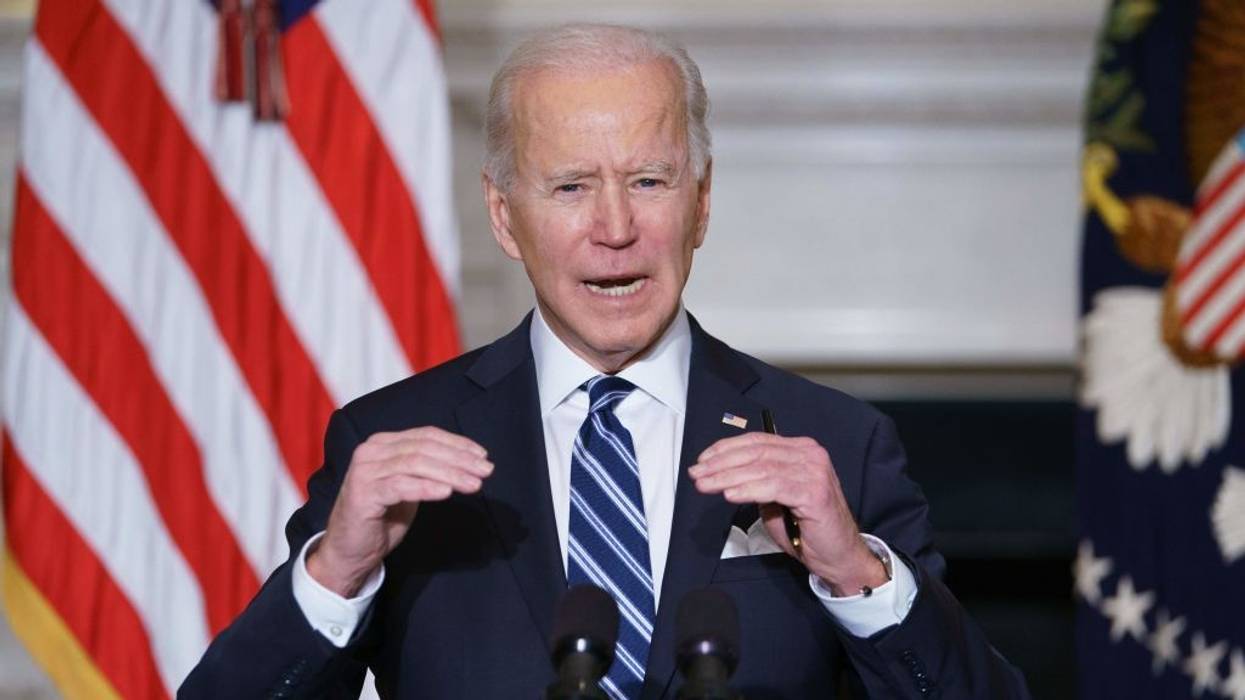
The president has made it clear he believes scientific integrity is an important value. Now he must show it more forcefully.
Just a week after his inauguration nearly two years ago, President Joe Biden issued an all-agency directive to strengthen the scientific integrity policies commissioned under former President Barack Obama and that had proven to be utterly ineffectual during the "alternative facts" tenure of President Donald Trump.
Biden's directive laid out an elaborate process overseen by his White House Office of Science and Technology Policy (OSTP) that has already fallen months behind schedule.
This January 12th, OSTP unveiled its "Framework for Federal Scientific Integrity Policy and Practice" to guide some 30 separate federal agencies into toughening their scientific integrity rules. Agencies are now slated to submit "updated" draft policies to OSTP within two months and provide for "public input" within six months as part of an iterative process that is supposed to culminate in the adoption of new policies within the year.
This Framework addresses a range of issues, such as whether government scientists are free to publish their research or to answer reporters' questions. It also advocates rules fostering accuracy and objectivity in federal research and purports to ban manipulation or suppression of research for political or other reasons beyond the "technical merit" of the work.
While these goals are laudable, the Framework is plagued by several conundrums, starting with why the White House is not imposing government-wide rules but instead relying upon individual agencies to integrate gauzy guidance. After all, these agencies are typically reluctant to unilaterally confer new privileges on professional staff and are equally loath to cede control over what they consider "internal" information.
In a transmittal memo, OSTP opaquely declares:
OSTP recognizes the need for agency flexibility and autonomy in implementation of scientific integrity policies and practices while also recognizing the critical need to ensure comprehensive and consistent implementation and iterative improvement across the Federal Government.
On the other hand, the OSTP Framework adopts a uniform government-wide definition of scientific integrity and then states that federal agencies "should adopt this definition, incorporate it into their scientific integrity policy, and communicate it to their workforce."
If there is a uniform definition of scientific integrity, why shouldn't there be a uniform policy to ensure its maintenance? For example, why should a scientist from the Fish and Wildlife Service be allowed to submit a manuscript for publication without official clearance while a scientist from the National Oceanic and Atmospheric Administration must obtain permission?
Similarly, the Framework model policy prescribes that all allegations of scientific misconduct should, after an initial review, undergo "a fact-finding process, an agency adjudication or determination including description of remedies and preventative measures to safeguard the science, an appeals process, follow-up to track implementation of remedies, and reporting."
It is unclear why investigative and adjudicatory functions should vary from agency to agency. Do scientists in one agency deserve more due process than their colleagues in sister agencies?
It is also unclear how the agencies are supposed to develop new or "updated" policies through an OSTP-overseen drafting process beginning this March. The OSTP memo says:
Agencies need not send this draft through their internal agency clearance processes before sending to OSTP for the initial review.
What? Who, or on whose authority, decides to send a new draft policy to the White House without getting agency approval?
This byzantine Biden process is, in large part, a reaction to the experience under Obama, who issued a similar directive in March 2009. A year later, his OSTP also issued vague guidance for agency policy development. Not surprisingly, the policies that agencies adopted varied widely in their scope and rigor. Yet, Obama's OSTP rejected no agency policy, no matter how weak or incomplete. In 2023, it is unclear whether there will be a different result.
President Biden has made it clear he believes scientific integrity is an important value. He should also make it clear that he will override weak agency policies and order the adoption of procedures with more backbone. Better yet, he should take steps to inject some degree of independence and outside scrutiny to scientific integrity matters that are now handled behind closed doors.

"This restriction on discussing the implications of research has no place in a scientific integrity policy," said one government accountability expert.
Scientists and government oversight watchdogs are expressing alarm over new language in the White House's "scientific integrity" framework, which one group said amounts to a "gag rule" that would harm federal researchers' ability to study issues including the climate emergency and public health threats.
As The Guardian reported Friday, a new draft of the revised Framework for Federal Scientific Integrity Policy and Practice was released by the White House Office of Science and Technology Policy (OSTP) last month, but went largely unreported by the press.
The policy reads:
[Agency] scientists shall refrain from making or publishing statements that could be construed as being judgments of, or recommendations on, [an agency] or any other federal government policy, unless they have secured appropriate prior approval to do so. Such communications shall remain within the bounds of their scientific or technological findings, unless specifically otherwise authorized.
Jeff Ruch, Pacific director of Public Employees for Environmental Responsibility (PEER), said in a statement after the framework was released that the policy is "unconstitutional" and "serves no discernible purpose" other than muzzling federal scientists whose research pertains to issues that the scientific community has criticized President Joe Biden and previous administrations for, such as allowing planet-heating fossil fuel extraction to continue.
"This restriction on discussing the implications of research has no place in a scientific integrity policy," said Ruch in a statement late last month. "Typically, it is only scientific research that has policy implications that is at risk of suppression or political manipulation."
"Government scientists should not need to cast a profile in courage to openly discuss the implications of their research," Ruch added.
Dr. Carlos del Rio, an infectious disease professor at Emory University, and Dr. Angela Rasmussen, a virologist at the Center for Global Health Science and Security at Georgetown University, both noted that the policy could discourage scientists from working at federal agencies.
"Science is a method that inherently depends on transparency: reproducibility, open disclosure of data, peer review, etc." said Rasmussen. "Preventing scientists from discussing their findings—including implications for policy—hinders them from effectively doing their job... OSTP must reconsider this rule immediately."
Calling on the OSTP to rescind the policy, Ruch late last month outlined a number of scenarios in which the rule "could be used to threaten scientists or stifle controversial research across a wide range of topics," including:
The U.S. Department of Agriculture (USDA) had a similar policy in place during the Obama administration. As The Guardian reported Friday, a USDA entomologist who was part of a 2014 study on protecting biodiversity among insects was barred from speaking at a conference about the issue.
"Citing the rule, the USDA's political leadership, then under Tom Vilsack, an Obama appointee, ordered Lundgren to remove his name from the study," the newspaper reported.
In addition to the new "gag rule," PEER said, the White House neglected to include in the revised framework procedures that would protect career scientists for "retaliation for presenting findings that may conflict with an administration's agenda."
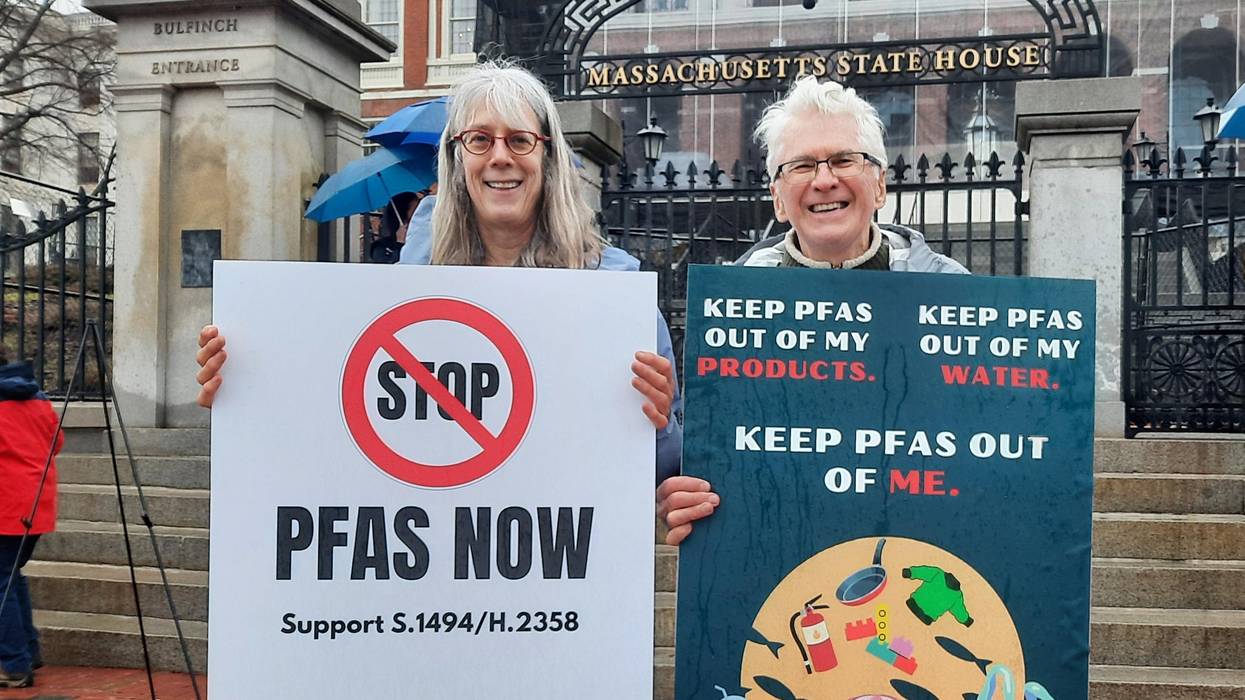
"These PFAS-laden containers present an ongoing danger to workers, consumers, and the environment," said one campaigner.
A pair of nonprofit advocacy groups on Tuesday sued a Texas company in a bid to stop it from generating so-called "forever chemicals" while manufacturing plastic containers.
The Center for Environmental Health (CEH) and Public Employees for Environmental Responsibility (PEER) filed the federal environmental lawsuit in Washington, D.C. alleging Houston-based Inhance Technologies USA is violating the Toxic Substances Control Act (TSCA) during the fluorination of plastic containers used to hold food, personal care items, and many other products.
"We are acting now because EPA has dragged its feet in ensuring that Inhance comes immediately into compliance with the law and stopping TSCA violations that represent a serious and ongoing threat to human health."
Fluorination involves the high-temperature application of fluorine gas to plastic containers. Inhance, which fluorinates containers at several U.S. plants, is the nation's top supplier of post-mold fluorination services.
The suit claims fluorinated products made by Inhance contain perfluorooctanoic acid (PFOA) and other per- and polyfluoroalkyl substances (PFAS), which are "often called 'forever chemicals' because they do not break down or degrade over time." PFAS are found in drinking water, soil, wildlife—and people—around the world.
"EPA and other authorities have generally found that PFAS have properties of high persistence, significant bio-accumulation, and severe toxicity to human health," the complaint notes.
Used in a sweeping range of products from clothing to nonstick cookware to firefighting foam, PFAS have been linked to cancers of the kidneys and testicles, low infant weight, suppressed immune function, and other adverse health effects.
"These PFAS-laden containers present an ongoing danger to workers, consumers, and the environment," CEH petrochemicals, plastics, and climate program director Sarah Packer asserted in a statement. "The fluorination process contributes to the overall prevalence of this already-ubiquitous class of chemicals and could be introducing FPAS into the recycling stream, as many of these containers bear recycling symbols."
"Inhance, the company that performs most of the fluorination in the U.S., has refused to comply with TSCA and must be ordered to stop this unsafe practice."
"Inhance, the company that performs most of the fluorination in the U.S., has refused to comply with TSCA and must be ordered to stop this unsafe practice for the health of workers, nearby communities, consumers, and all who encounter these commonly used containers or the products stored in them," Packer added.
PEER executive director Tim Whitehouse—who is also a former U.S. Environmental Protection Agency (EPA) enforcement lawyer—said that "the leaching of PFAS from packaging and containers threatens our food supply and exposes all of us to harmful toxic chemicals."
"We are acting now because EPA has dragged its feet in ensuring that Inhance comes immediately into compliance with the law and stopping TSCA violations that represent a serious and ongoing threat to human health," he added.
In a statement last week, Inhance Technologies said the company "believes we have been, and continue to be, in full compliance with all relevant regulations and regulatory guidance, and are operating safely, responsibly and lawfully," while claiming it "embraces" EPA efforts "to ensure science-based decision-making as it relates" to PFAS.
The new lawsuit came six weeks after the state of California sued 18 manufacturers including 3M—one of the world's largest chemical companies—for harming human health and the environment, and for deceptive practices. The California suit is one of more than 6,000 PFAS-related lawsuits filed in U.S. federal courts alone since 2005.
Increased activism and lawsuits targeting PFAS have raised public awareness of the dangers of "forever chemicals," resulting in the U.S. military announcing it will stop using PFAS in firefighting foam by 2024 and 3M committing to ending PFAS production by the end of the following year.

The testing method used by the U.S. Environmental Protection Agency and local officials around the country is so circumscribed that regulators almost certainly have an incomplete understanding of the extent to which the nation's drinking water is contaminated with toxic "forever chemicals."
"There are so many PFAS that we don't know anything about, and if we don't know anything about them, how do we know they aren't hurting us?"
That's according to The Guardian's analysis of water samples taken in nine cities with high levels of per- and polyfluoroalkyl substances (PFAS) pollution, the findings of which were published Wednesday.
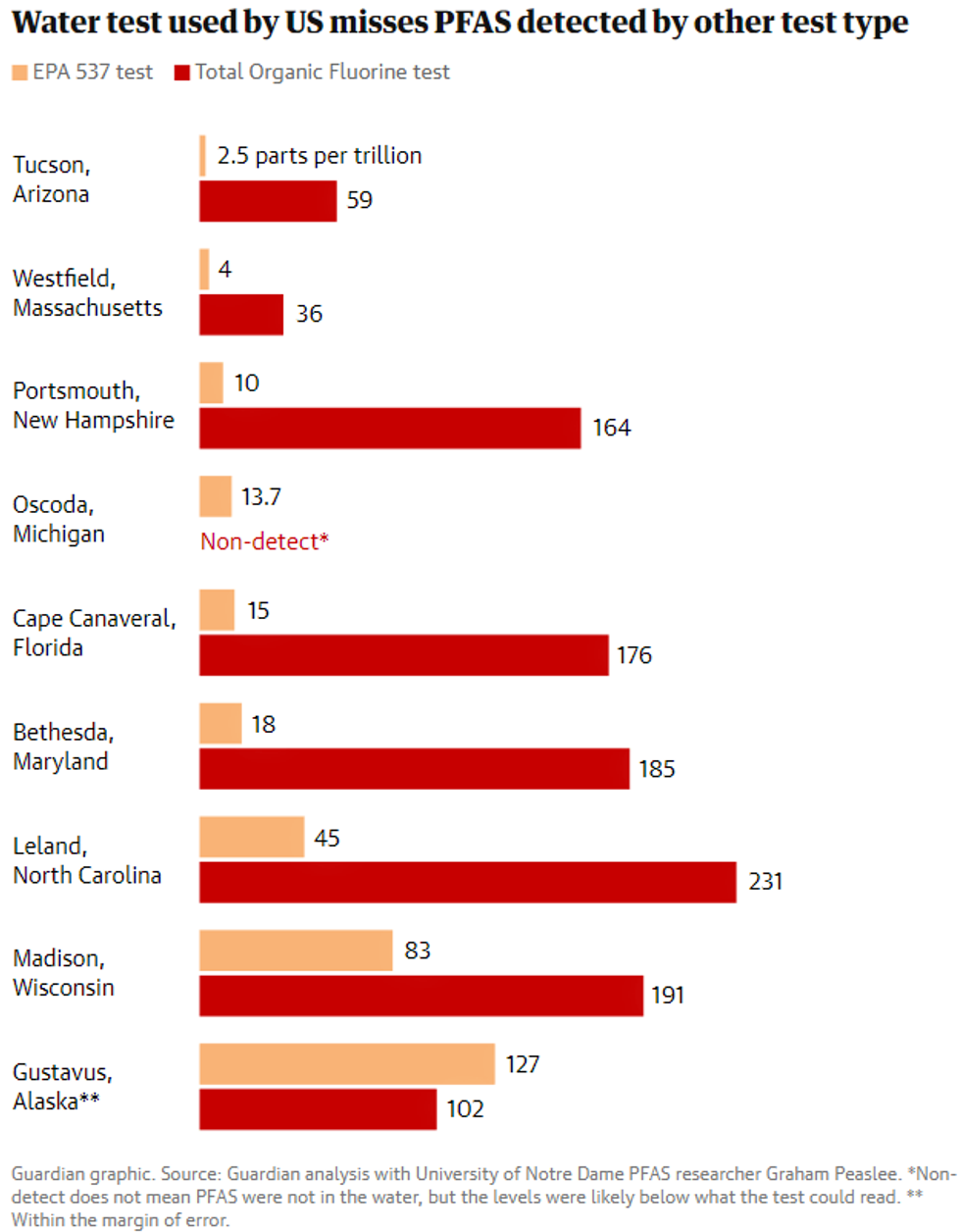
The newspaper examined water samples from the nine hot spots using two types of tests: an EPA-developed method that detects 30 types of PFAS and a more robust method that checks for a marker of the more than 9,000 PFAS compounds known to exist.
In seven of the nine cities, higher levels of PFAS were found in water samples when using a "total organic fluorine" (TOF) test that identifies markers for all known PFAS compounds than when using the EPA test--at concentrations up to 24 times greater.
"The EPA is doing the bare minimum it can and that's putting people's health at risk," said Kyla Bennett, the policy director of Public Employees for Environmental Responsibility.
PFAS are a class of synthetic compounds widely called forever chemicals because they don't fully break down--polluting people's bodies and the environment for years on end.
Scientists have linked long-term exposure to PFAS--which recent studies have identified at unsafe levels in the drinking water of more than 200 million Americans and detected in 97% of blood and 100% of breast milk samples--to numerous adverse health outcomes, including cancer, reproductive and developmental harms, immune system damage, and other negative effects.
Last month, the Biden administration unveiled what environmental groups described as "baby steps" to address toxic forever chemicals, including an allocation of $10 billion to protect drinking water from PFAS and other pollutants.
"But critics say when it comes to identifying PFAS-contaminated water, the limitations of the test used by state and federal regulators, which is called the EPA 537 method, virtually guarantees regulators will never have a full picture of contamination levels as industry churns out new compounds much faster than researchers can develop the science to measure them," The Guardian reported.
"That creates even more incentive for industry to shift away from older compounds," the newspaper noted. "If chemical companies produce newer PFAS, regulators won't be able to find the pollution."
The outlet added:
Clean water advocacy groups last year urged the EPA to use more comprehensive tests that they said would "give us a better understanding of the totality of PFAS contamination," but the agency told The Guardian it currently has no such plans.
In a statement to The Guardian, the EPA said it "continues to conduct research and monitor advances in analytical methodologies... that may improve our ability to measure more PFAS."
But that's hardly a sufficient response according to researchers such as Graham Peaslee, a professor at the University of Notre Dame who helped conduct the new analysis.
"We're looking for and studying less than 1% of PFAS so what the heck is that other 99%?" asked Peaslee. "I've never seen a good PFAS, so they're all going to have some toxicity."
Since Congress passed the Safe Drinking Water Act in 1974, the EPA has established maximum contaminant levels for more than 90 pollutants, but it hasn't added any new chemicals to its regulated list since 2000.
"The U.S. tap water system," the Environmental Working Group said last November after updating its national database, "is plagued by antiquated infrastructure and rampant pollution of source water, while out-of-date EPA regulations, often relying on archaic science, allow unsafe levels of toxic chemicals in drinking water."
"The EPA and industry have long argued that many newer PFAS that can't be detected are safe," The Guardian reported. "However, most new compounds have not been independently reviewed, and the types of PFAS that have been studied have been found to be toxic and persistent in the environment."
"There are so many PFAS that we don't know anything about, and if we don't know anything about them, how do we know they aren't hurting us?" Bennett asked. "Why are we messing around?"
Nearly one year ago, the U.S. House passed the PFAS Action Act of 2021, which would improve federal oversight of toxic forever chemicals and facilitate clean-up efforts. The legislation has stalled in the U.S. Senate.