
SUBSCRIBE TO OUR FREE NEWSLETTER
Daily news & progressive opinion—funded by the people, not the corporations—delivered straight to your inbox.
5
#000000
#FFFFFF
To donate by check, phone, or other method, see our More Ways to Give page.


Daily news & progressive opinion—funded by the people, not the corporations—delivered straight to your inbox.
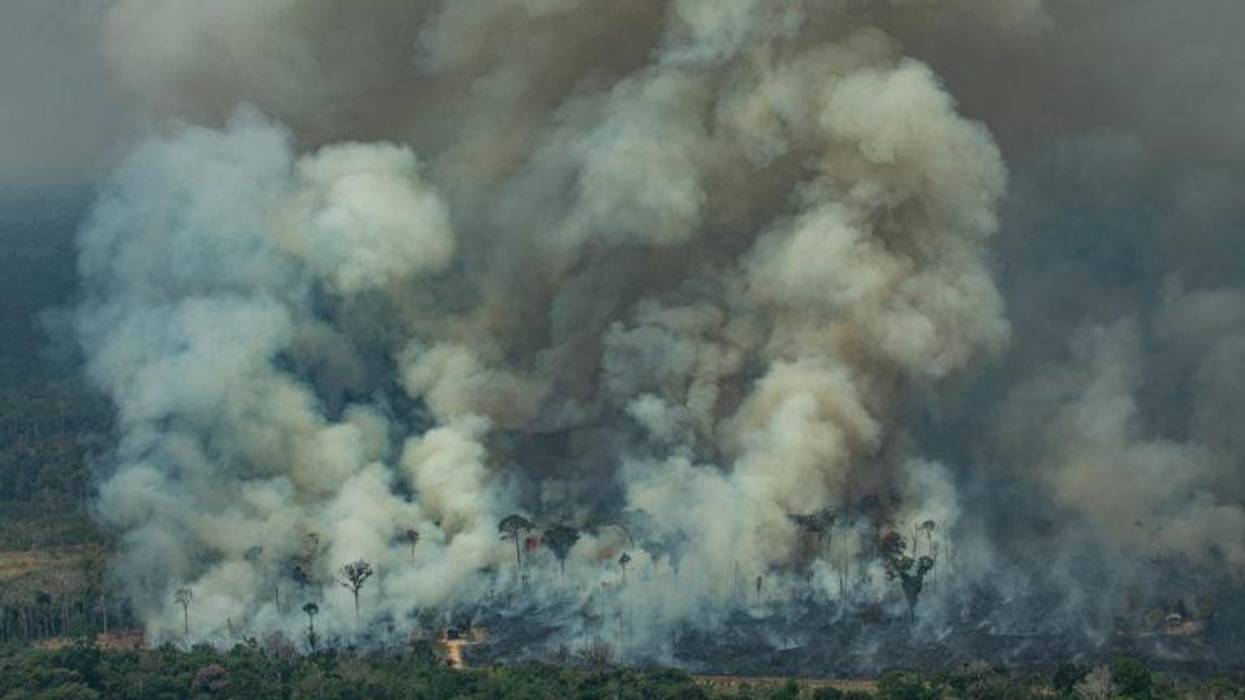
The Amazon is ablaze. This is horrific news for Brazilians, especially the indigenous peoples who have called the rainforest home for millennia, and for all of humanity as well.
The Amazon rainforest is a crucial carbon sink, absorbing atmospheric carbon that would otherwise heat the planet and accelerate the global climate crisis. Often called "the lungs of the planet," the Amazon region is also a crucial source of oxygen for all people.
Alarmingly, these fires are no natural disaster. They're a political disaster--one that's all too familiar to us here in the United States.
To date, the Amazon has suffered 85 percent more fires this year than last. No natural phenomena can explain this dramatic increase. In fact, most of these fires are intentionally started to clear land for agribusiness.
It's no coincidence that forest destruction has increased under far-right President Jair Bolsonaro, who assumed office in January.
Trump's national security adviser John Bolton has praised Bolsonaro as a "like-minded" partner.
Bolsonaro has promised to exploit the Amazon for agribusiness, mining, and other commercial activities. To do so, his administration has undermined laws protecting both forests and the people who live there--and launched openly racist attacks on indigenous peoples to marginalize them.
When confronted with evidence of his own misdeeds, Bolsonaro has done what authoritarians always do--shoot the messenger. He's called deforestation data from his own government "fake news" and fired the head of the agency that produced it. He is even claiming (without evidence) that the fires were started by NGOs to tarnish Brazil's reputation.
Sound familiar?
Here in the United States, the Trump Administration has repeatedly attempted to undermine the science on climate change, spread misinformation about wildfires, and retaliated against government scientists who work on climate change.
Where Bolsonaro deregulates the rainforest, Trump deregulates coal emissions (even as the government's own analysis shows the extra pollution will kill up to 1,600 people). Where Bolsonaro demonizes NGOs, Trump-allied state governments are criminalizing peaceful protests against fossil fuel infrastructure.
As in Brazil, the anti-extraction protests being targeted for criminalization in the United States are often indigenous-led. Meanwhile the Trump administration is systematically handing over sacred indigenous lands to oil and gas companies.
And don't forget about trying to sabotage international climate agreements.
The United States is the world's largest historical emitter of greenhouse gases, yet Trump walked away from the Paris climate accord early in his term. Joining us as a climate "rogue state," Bolsonaro's Brazil tried to undermine the global climate talks in Poland last December.
You don't have to take my word on these parallels: Trump's national security adviser John Bolton has praised Bolsonaro as a "like-minded" partner.
The emergence of dangerous authoritarian governments--here and in Brazil, as well as in countries like India and the Philippines--is one of the gravest threats facing the world today. Not only because of the threats they pose to human rights and democracy, but because their political agendas deepens the climate crisis.
Transforming this reality must start by acknowledging it. The Amazon is already burning--now we need the movements against these governments to catch fire, too.
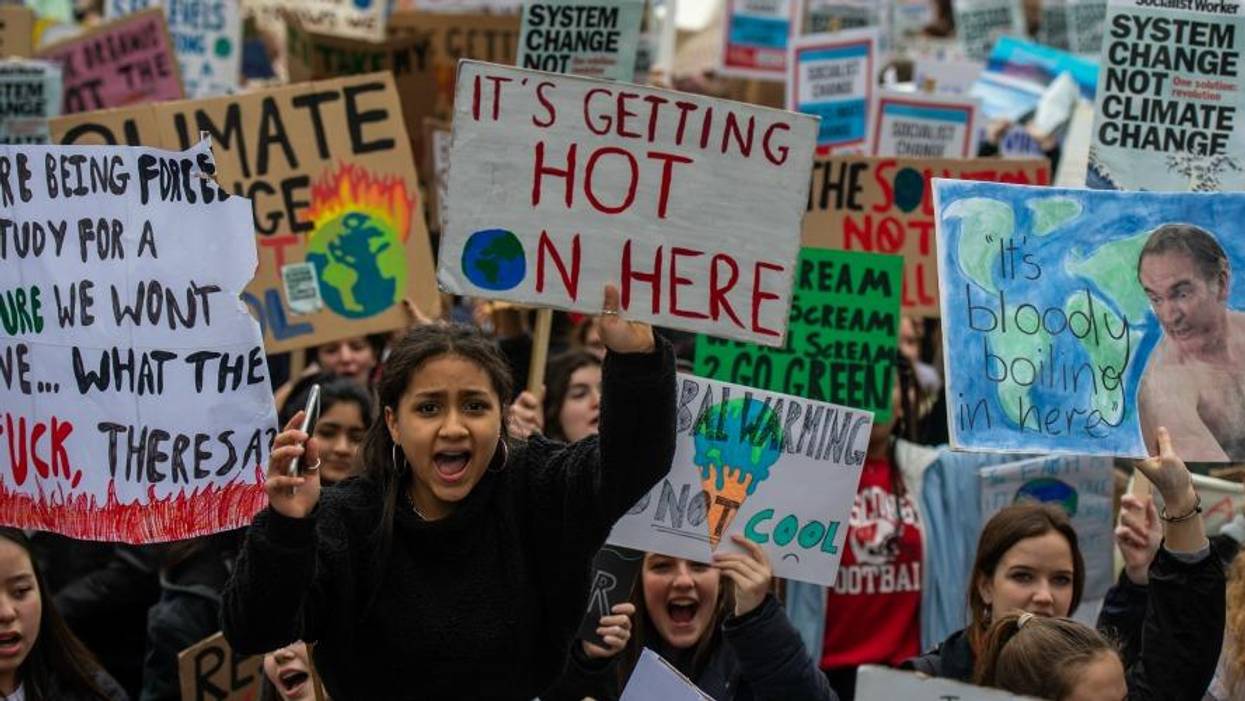
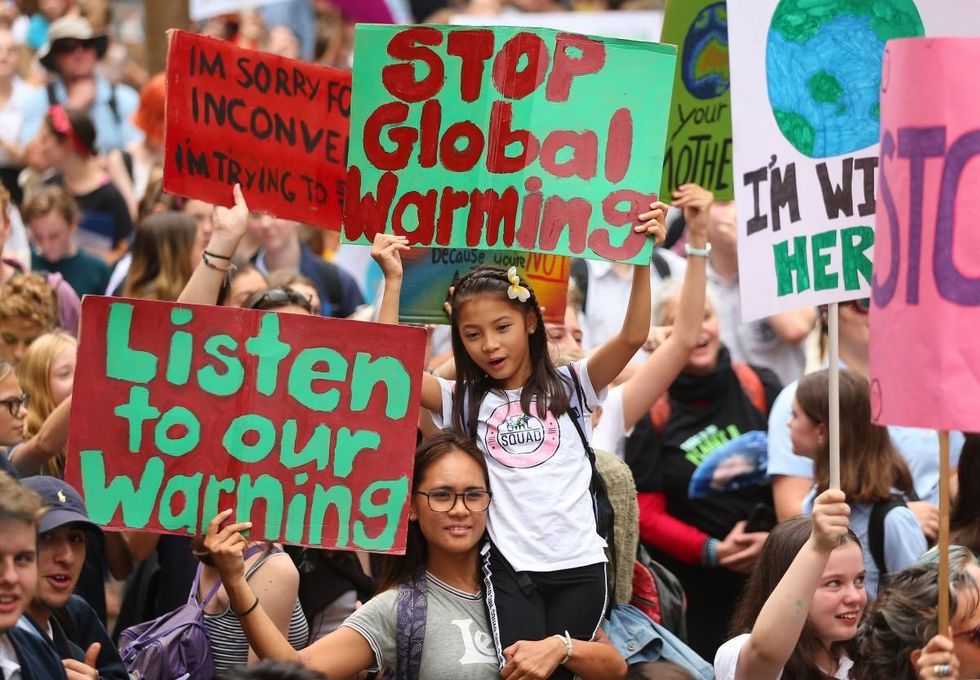
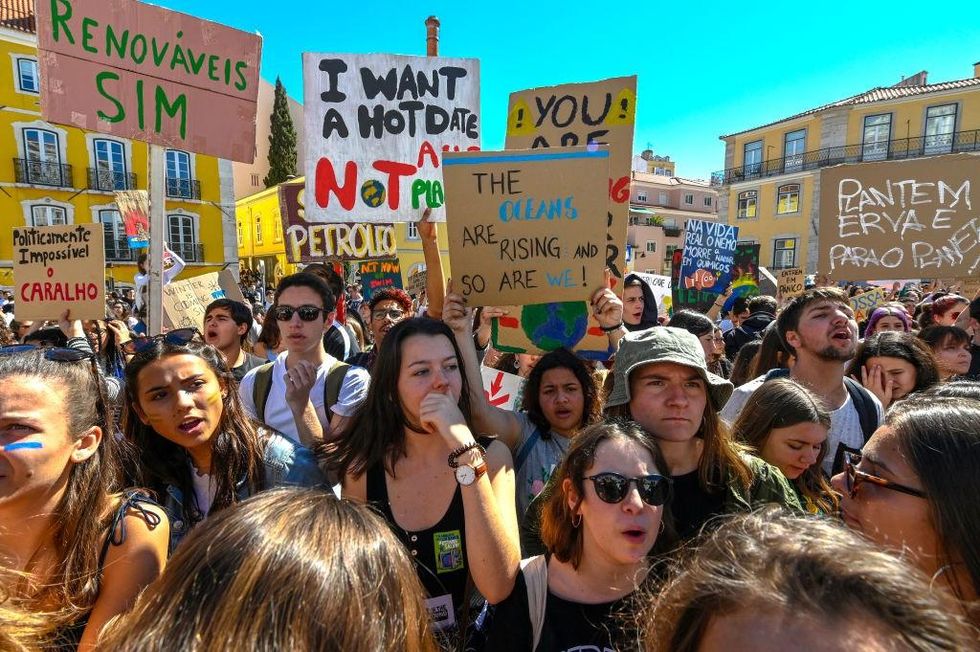
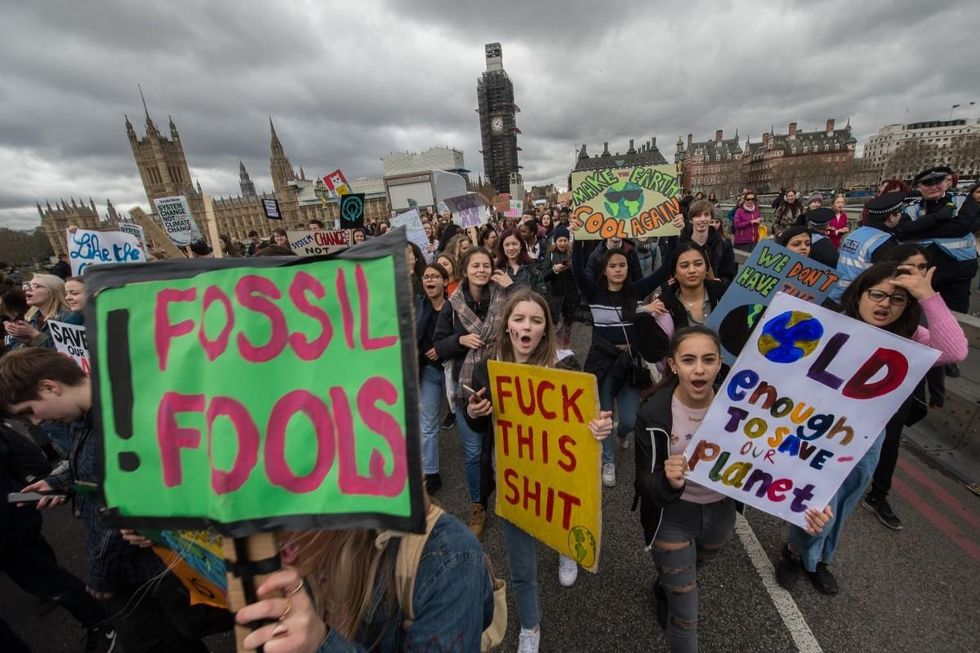
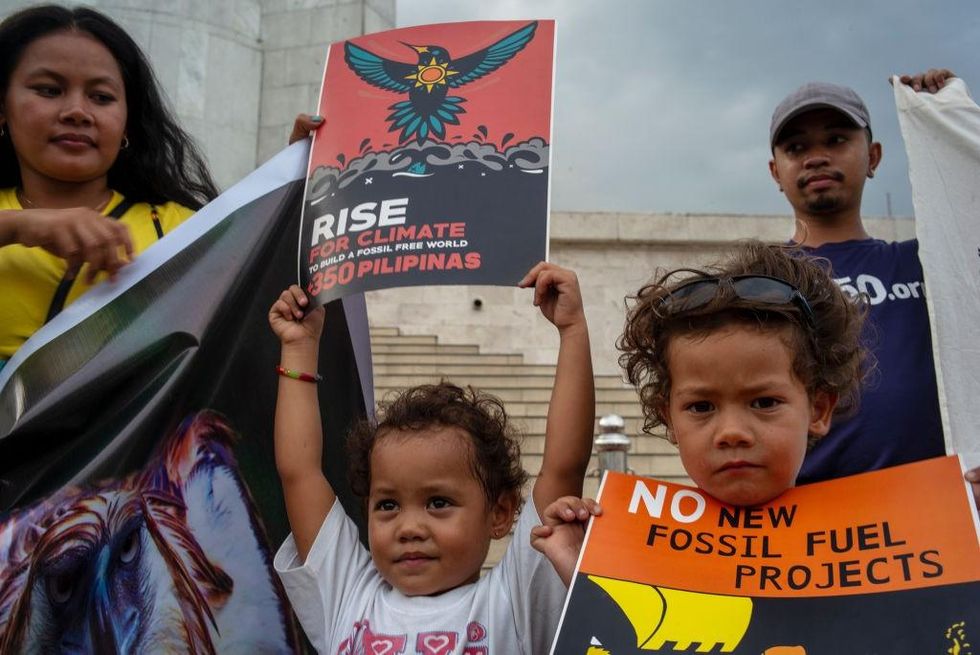
All over the planet on Friday, millions of children and young adults walked out of their classrooms in an unprecedented collective action to demand a radical and urgent shift in society's energy and economic systems in order to avert the worst impacts of human-caused global warming and climate change.
With demonstrations in more than 100 countries and tens of thousands of schools, the worldwide Climate Strike is the largest since 16-year-old Greta Thunberg sparked a wave of increasingly huge marches and walkouts with her one-person strike outside the Swedish Parliament last year.
Since then, Thunberg has admonished and appealed to world leaders at COP24 and Davos, successfully securing a commitment from the European Union to fight the climate crisis while inspiring strikes all over the world. European students began holding weekly walkouts in Brussels in December, while Australian, and German young people are among those who have organized strikes as well.
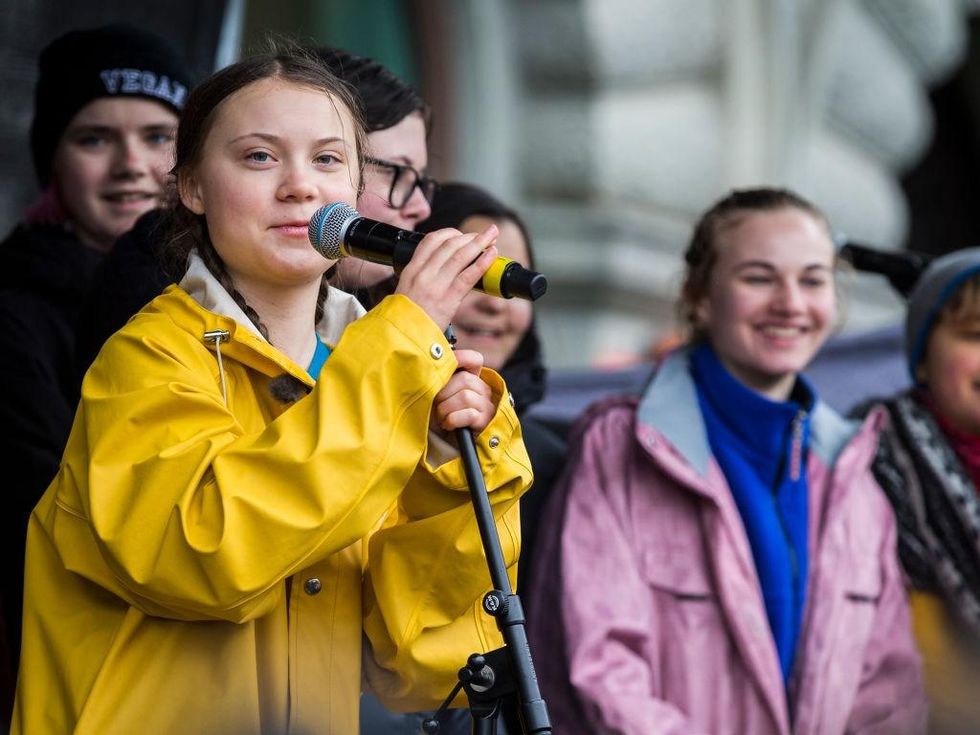
"We have been born into this world and we have to live with this crisis, and our children and our grandchildren," Thunberg told a crowd of her peers in Stockholm in Friday. "We are facing the greatest existential crisis humanity has ever faced. And yet it has been ignored. You who have ignored it know who you are."
In Pictures:


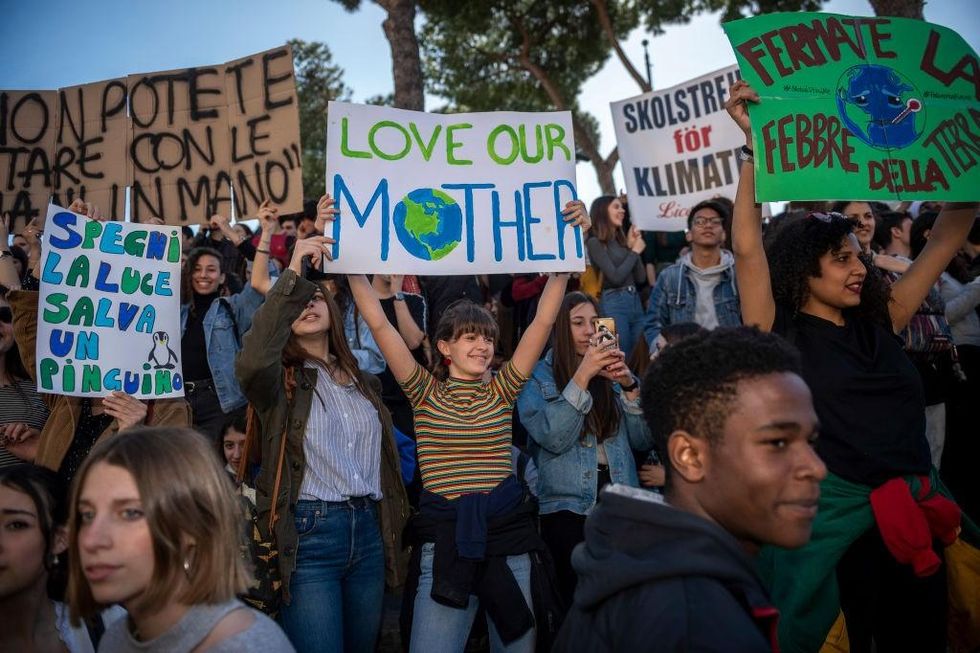
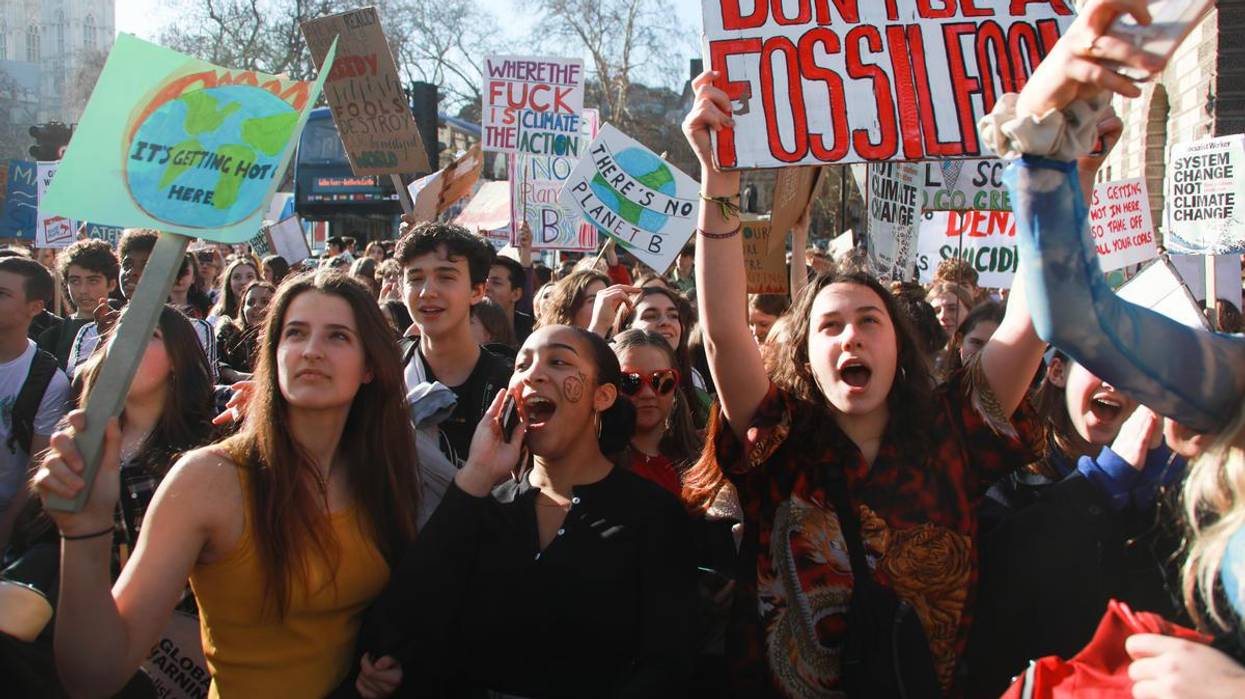
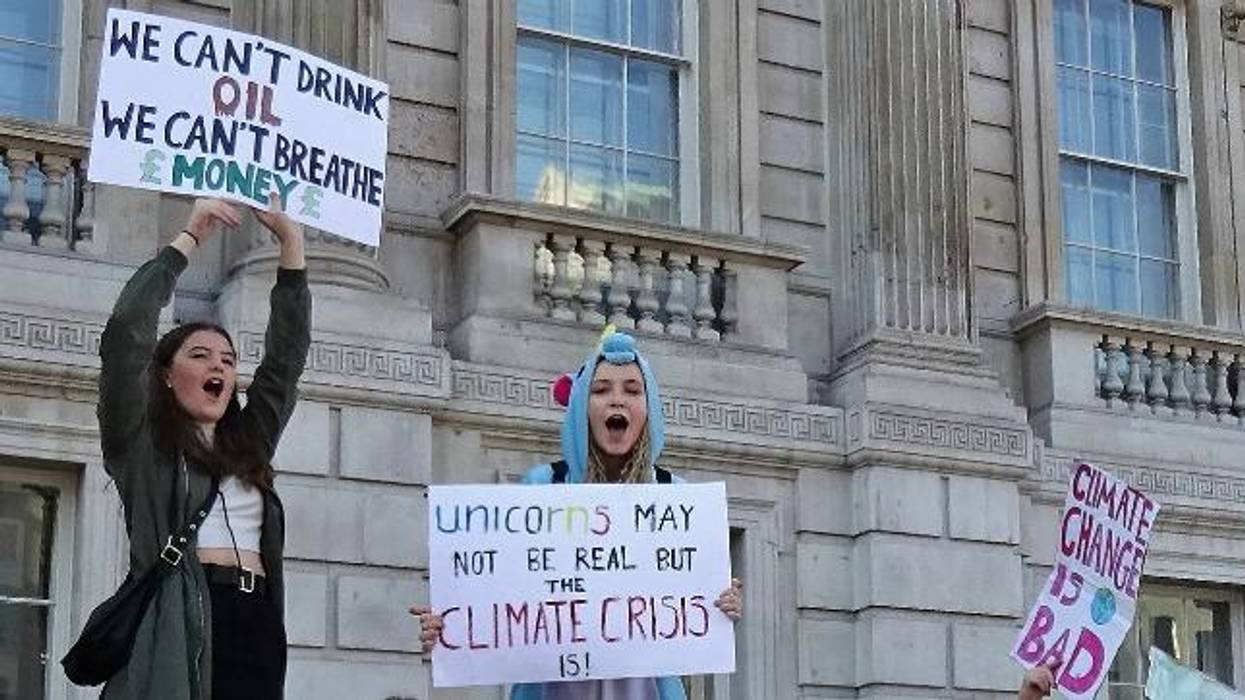
On social media, supporters posted images and videos of students chanting, marching, and waving signs demanding action from their elected officials as well as rebuking some leaders who have criticized the students for skipping school. As one sign in London read, "I'll do my work when you do yours."
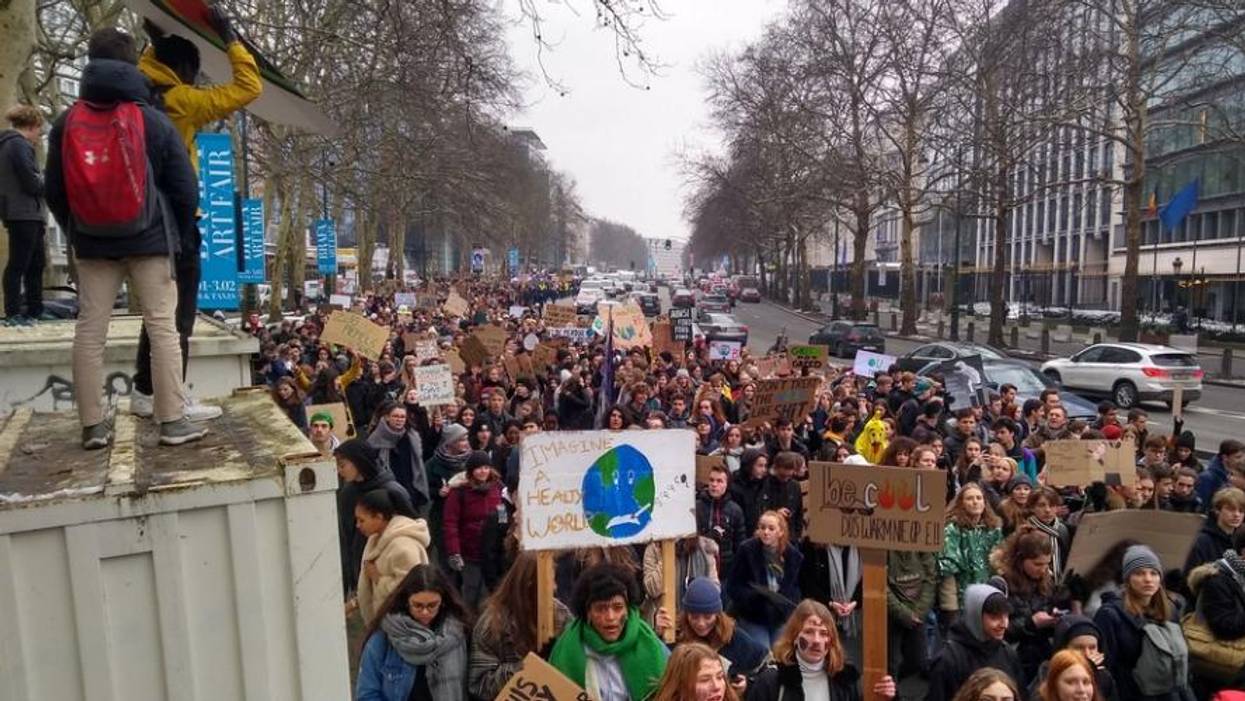
Brussels:
Minneapolis, Minnesota:
Montreal:
Lisbon:
Oh boy, look what happened in Lisbon, Portugal.#FridaysForFuture #ClimateStrike pic.twitter.com/K1Ew1Zg4ey
-- Angela Fay (@lifelearner47) March 15, 2019
New York:
Kyiv, Ukraine:
Santiago, Chile:
Paris:
Greta Thunberg, the 16-year-old whose protests outside the Swedish parliament spurred a massive global movement of young people striking from school to demand bold action on the climate crisis, has been nominated for the Nobel Peace Prize.
"We have nominated Greta because the climate threat may be one of the most important causes of war and conflict."
--Freddy Andre Oevstegaard, Norwegian lawmaker
"We have nominated Greta because the climate threat may be one of the most important causes of war and conflict," Freddy Andre Oevstegaard, a parliamentary representative in Norway, told Norwegian newspaper VG.
Oevstegaard is one of the three Socialist Left Party members who nominated Thunberg. As he put it, "The massive movement Greta has set in motion is a very important peace contribution."
The Norwegian Nobel Committee will announce its latest laureates in October, and those selected will receive their prizes in December. While nominations must be submitted before February 1, news that Thunberg is being considered broke Wednesday.
Thunberg responded on social media by saying she is "honored and very grateful for this nomination."
Her nomination was welcomed by peace and environmental advocates around the world:
Thunberg's #FridaysForFuture strikes started last fall with solitary protests urging Swedish lawmakers to crack down on the use of fossil fuels, but her refusal to attend school--inspired by American teens who organized for stricter gun laws after a mass shooting at their Florida high school--catalyzed youth climate strikes across the globe.
"The idea was to sit outside the Swedish parliament for three weeks. I think the timing and the concept must have been right," she told New Scientist Thursday. For her, the takeaway isn't the fact that children are protesting, but why young people have taken to the streets: "They talk about our age, our looks and so on. The emissions are still rising and that is all that matters. Nothing has happened, that is crucial to remember."
As the movement has grown, so has Thunberg's prominence as a powerful voice demanding more urgent climate action from world leaders. In less than a year, she has addressed crowds of thousands at demonstrations across Europe, delivered a TEDx Talk that's been viewed over a million times, rubbed elbows with United Nations Secretary-General Antonio Guterres, and even called out the Davos elite to their faces.
News of Thunberg's nomination comes as hundreds of thousands of students worldwide prepare for the #SchoolStrike4Climate on Friday. So far, more than 1,600 protests have been planned in over 100 countries. Find out how you can get involved.
More than 40 years after Wallace Smith Broecker published his landmark 1975 paper 'Climatic Change: Are We on the Brink of a Pronounced Global Warming?' the world is still to set into action a global plan to prevent climate chaos.
While close to 200 countries reached the Paris Climate Agreement in 2015 and adopted a set of rules governing climate action at the UN climate talks in Katowice (COP24) last December, they have so far failed to commit to accelerated climate action.
This ongoing political inaction is what drives the burgeoning school climate strikes inspired by Swedish girl Greta Thunberg, who boldly warned leaders at COP24 that "people will not wait for change, we will tell them change is coming".
But Broecker - who passed away in a New York City hospital this week at the age of 87 - did not get to see the concerted climate action he called for throughout much of his working life.
In the 1970s, when Broecker correctly predicted that rising carbon dioxide emissions would lead to atmospheric warming - and in doing so broke with now famously incorrect predictions of global cooling - the impacts of climate change were not yet visible.
Throughout the 1980s, as the scientific consensus on global warming increased and other leading scientists such as James Hansen called for political action, governments debated and discussed the threat of climate change.
At the same time, sceptics and fossil fuel companies consistently sowed doubt about climate science and sought to undermine solutions.
Talk and political inaction has followed in the two decades since, while temperatures have continued to rise. The World Meteorological Organization (WMO) has said the 20 warmest years on record have occurred in the past 22 years. The past four years have been the world's warmest.
The result is that the effects of this warming are now visible and weather extremes experienced around the world are being increasingly linked to climate change.
This year has kicked off where 2018 ended, with extreme weather in many parts of the world - record heat, wildfires and rainfall in South America and Australasia, dangerous and extreme cold in North America and heavy snowfall in the Alps and Himalayas.
Climate change is the greatest threat humanity has faced and the urgency of action has never been greater. Last October, the UN's Intergovernmental Panel on Climate Change (IPCC) warned that we have just 12 years left to save the climate.
But there is hope. The inspirational climate strikes from Greta Thunberg and Alexandria Villasenor in the US and many others like them show the kind of resolve and sense of purpose required. The youth suing their governments in the US and Germany are also leading the way.
Now, in the lead-up to an international school climate strike on March 15, we must all show solidarity to the youth taking action.
It must not be left to the young to clean up the climate mess older generations have created. There is still time to avert chaos, but it requires the world's politicians and corporations to accept and embrace the responsibility of action.
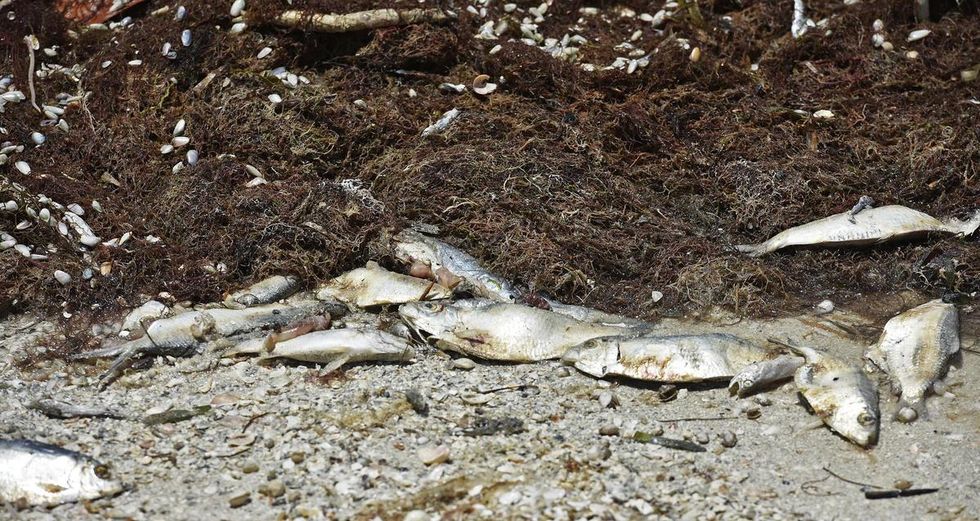
Though toxic algae blooms like this occur naturally, they have grown in frequency and intensity in recent years, with elevated water temperatures from climate change being one of many likely reasons. (c) Steve Nesius
The equation is simple, the challenge is great, but the possibilities endless. Global CO2 emissions can and must be halved by 2030 before falling to net zero by 2050 at the latest.
Although leaders failed to commit to heightened climate action at COP24 - just two months after the IPCC's dire warning - they can rectify that failure now and in the lead-up to the UN Secretary-General's Climate Summit in September by ramping up action.
As the new generation walks out of school and takes to the streets carrying forth the warnings of climate science forerunners such as Broecker, it's time our politicians showed the same courage and vision and acted in solidarity with them. The time is now and we still have time, but only just.
She's just 13 years old, but she's "a threat."
That's climate activist Alexandria Villasenor, who explained in an interview Friday morning, "My generation is going to have to live in a climate-changed world, and the fact that nothing was done in order to make sure that we don't live in planetary catastrophe--it's very disappointing and it's upsetting."
A recent New York City transplant, Villasenor--taking inspiration from Swedish teen Greta Thunberg--has been standing in front of the United Nations every Friday for 11 weeks. She's also co-leading the U.S. Youth Climate Strike movement, which is organizing to get thousands of students to take part in a global day of climate action on March 15.
In a tweet sent following her interview with CBS News, the teenager appeared shocked that she had actually gone on national television and "told all the adults in America that they are threatened by us!"
In fact, "yes, you are a threat," responded author and climate activist Naomi Klein, "because believing climate science means embracing deep change to a way of life that has long been equated with freedom and power (but is, in fact, a straight shot to utter powerlessness and loss of freedom)."
So strong clear. And yes, you are a threat because believing climate science means embracing deep change to a way of life that has long been equated with freedom and power (but is, in fact, a straight shot to utter powerlessness and loss of freedom) https://t.co/4QDCwt049u
-- Naomi Klein (@NaomiAKlein) February 22, 2019
To those who criticize the young activists and may not believe in climate science, she said they "find it very threatening to their beliefs."
She does, however, have the support of her parents. "If I'm not going to have a future then school won't matter because we're going to be running from disasters. We're not going to have time to go to school because our house will be ruined by the latest hurricane, and they understand that this is important to my generation because we're going to have to live in this world."
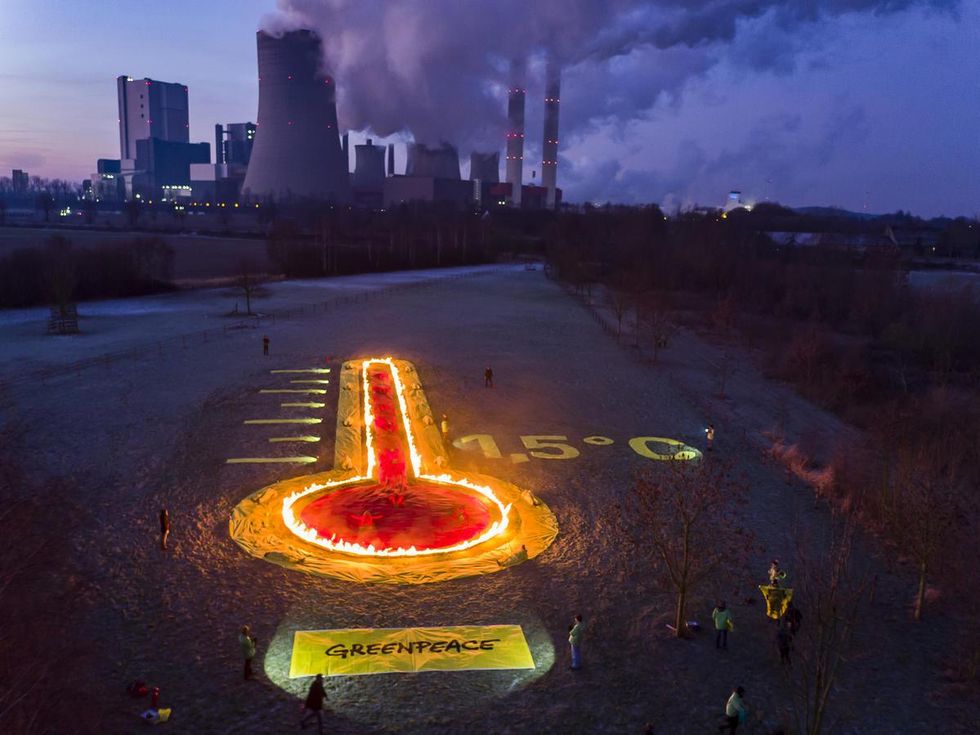
To avert such disasters, U.S. Climate Strike is demanding that lawmakers implement the recently-introduced Green New Deal and that world leaders keep global warming under 1.5 degrees Celsius.
She concluded the interview with a message for climate science deniers: "To quote Greta, change is coming whether you like it or not."
Villasenor and fellow youth activists want to make sure that happens.
Thousands of young feet have been hitting the pavement to highlight the urgency of the climate crisis with Friday climate strikes, and Thunberg has been documenting the spreading movement she catalyzed. She also joined thousands of student marchers in Paris on Friday.
With the ongoing strikes, including the upcoming global coordinated actions, "I think what we are seeing is the beginning of great changes and that is very hopeful," she recently told the Guardian.
Aaron Gray-Block, a climate communications specialist with Greenpeace International, agrees. He writes Friday:
The inspirational climate strikes from Greta Thunberg and Alexandria Villasenor in the U.S. and many others like them show the kind of resolve and sense of purpose required. The youth suing their governments in the U.S. and Germany are also leading the way.
Now, in the lead-up to an international school climate strike on March 15, we must all show solidarity to the youth taking action.
"It must not be left to the young to clean up the climate mess older generations have created," he adds. "There is still time to avert chaos, but it requires the world's politicians and corporations to accept and embrace the responsibility of action."
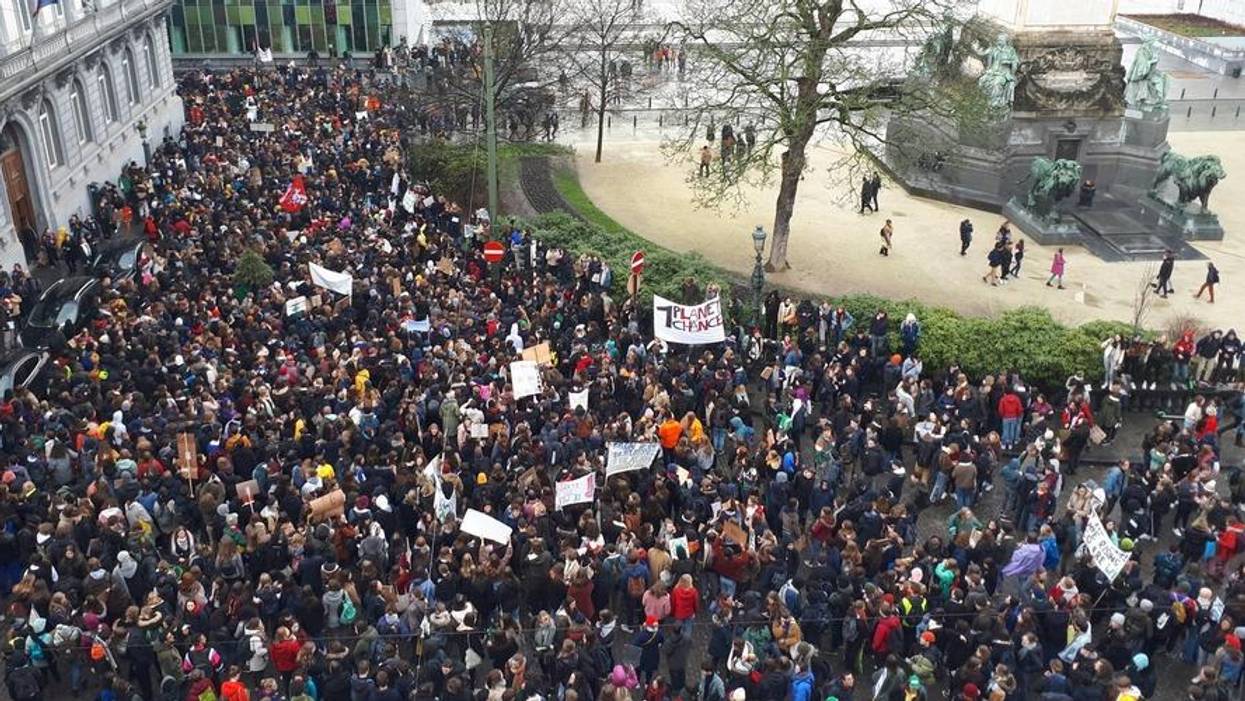
Thursday's student demonstration in Brussels confirmed that the global climate strike movement is showing no signs of slowing down, with an estimated 35,000 young people marching through the European Union capital to demand that world leaders take bold action to stem the climate crisis.
The protest drew nearly three times as many marchers as last week's demonstration, when more than 12,000 people gathered in Brussels. Thursday's march was the third student strike in the past three weeks--each one significantly bigger than the last--as students across Belgium and other European countries have skipped their high school and college classes in order to shame those in power who refuse to move urgently.
"A massive mobilization once in a while, like that of December 2, is clearly not enough," Marie Hayens of the grassroots group Rise for Climate told the Brussels Times. "So we will be pressuring continuously and also outside Brussels."
Global climate action groups were among those applauding the students for continuing their direct action, which will also include a planned climate march this coming Sunday.
The climate strike movement grew out of a direct action by Greta Thunberg, a 15-year-old climate activist from Sweden who skipped school in September to hold her own demonstration outside Swedish parliament.
Thunberg addressed the United Nations at COP24 in December, as well as some of the world's most powerful and wealthy political and business leaders at Davos this week--harshly criticizing them for amassing huge wealth with the help of pollution-causing industries, to the detriment of future generations.
Thunberg also applauded the marchers in Brussels march on social media.
An estimated 12,500 students walked out of their classrooms in Brussels, Belgium on Thursday to join the country's second youth-led climate march in the past week, demanding that government leaders from across Europe take bold action to help stem the global climate crisis.
Carrying signs reading "Act now before it's too late," "The planet needs you to give a damn," and "I'm sure the dinosaurs thought they had time, too," young people at the Marche Pour le Climat chanted, "We want change!" as they marched through the city in the rain.
"It's great to see the number of people present here today," march organizer Anuna De Wever told the Brussels Times. "It's an incredible signal. This cannot be ignored."
The "climate strike" movement by student in Brussels is part of a wide global campaign and just the latest sign that young people are increasingly taking the lead in demanding climate action--and refusing to abide by the status quo--amid deeply troubling reports that governments are running out of time to curb fossil fuel emissions.
The turnout was significantly larger than the demonstration students held last week, when about 3,000 young Belgians expressed anger over their Parliament's refusal to sign an agreement at the recent COP24 climate conference, calling for countries to accelerate their efforts to reduce carbon emissions. Young people from Uganda, the U.S., New Zealand, Colombia, and other countries also staged protests last week.
Dozens more school strikes are planned for Friday as well, with German students planning more than 40 protests.
The Intergovernmental Panel on Climate Change's (IPCC) report last October, which said only 12 years remain for governments to keep the warming of the globe under 1.5 degrees Celsius (or 2.7 degrees Fahrenheit) shook climate activists across the globe, leading Swedish teenager Greta Thunberg to speak out at COP24 and Australian students to stage their own climate strike in November.
On Twitter, supporters of the Belgian walkout praised the students for their leadership:
Ahead of the World Economic Forum's (WEF) annual meeting in Davos, Switzerland next week--which convenes the world's wealthiest and most powerful for a summit that's been called both the "money Oscars" and a "threat to democracy"--the group published a report declaring, "Of all risks, it is in relation to the environment that the world is most clearly sleepwalking into catastrophe."
The policies of global deregulation, privatization, unending consumption, and growth-worship that you advanced so aggressively in order to construct the Davos Class marched us here."
-- Naomi Klein, author and activist
While WEF has made a habit of recognizing the threat posed by the human-made climate crisis in its Global Risks reports--for which it has garnered some praise--author and activist Naomi Klein was quick to challenge the narrative presented in the latest edition (pdf), pointing out that many of the polices pushed by the very people invited to the exclusive event have driven the global crisis.
"Sleepwalking? Nah. The policies of global deregulation, privatization, unending consumption, and growth-worship that you advanced so aggressively in order to construct the Davos Class marched us here," she tweeted. "Pretty sure your eyes were wide open."
Sleepwalking? Nah. The policies of global deregulation, privatization, unending consumption and growth-worship that you advanced so aggressively in order to construct the Davos Class marched us here. Pretty sure your eyes were wide open. https://t.co/4Z595zJaAv
-- Naomi Klein (@NaomiAKlein) January 16, 2019
While Klein--who argued in her 2014 book This Changes Everything: Capitalism vs. the Climate that "our economic system and our planetary system are now at war"--brought a critical eye to the report's warnings about the dangers of failing to limit global warming, others welcomed the attention given to the crucial issue.
WEF's Global Risks Perception Survey solicits input from nearly 1,000 "decision-makers" across government, big business, academia, and civil society, and aims to identify both short- and long-term threats to the international community.
" Extreme weather was the risk of greatest concern, but our survey respondents are increasingly worried about environmental policy failure."
--WEF report
Environmental threats--including extreme weather, failure of climate-change mitigation and adaptation, natural disasters, biodiversity loss and ecosystem collapse, and man-made environmental disasters--dominate the top 10 lists for both likelihood and impact.
"Extreme weather was the risk of greatest concern, but our survey respondents are increasingly worried about environmental policy failure," the report notes, acknowledging that "biodiversity loss is affecting health and socioeconomic development, with implications for well-being, productivity, and even regional security."
Responding in a statement, Marco Lambertini, director general of World Wildlife Fund (WWF) International, said: "Recognition of the dangers posed by climate change and biodiversity loss is not enough. The science is clear: we need to see urgent and unprecedented action now."
"The consequences of not changing course are enormous not just for nature, but for humans. We depend on nature much more than nature depends on us," Lambertini added. "Global political and business leaders know that they have a major role to play in safeguarding the future of economies, businesses, and the natural resources we depend on."
"Recognition of the dangers posed by climate change and biodiversity loss is not enough. The science is clear: we need to see urgent and unprecedented action now."
--Marco Lambertini, WWF International
Concerns about governmental failure to adequately address the climate crisis declined among "the Davos Class" after world leaders came together to sign the Paris agreement, according to Reuters. But that changed after President Donald Trump took office and announced plans to ditch the accord, which aims to limit warming within this century to 1.5degC--a goal that experts say would require immediately phasing out fossil fuels.
Additionally, as Aengus Collins, the WEF report's author, told Reuters, "People... are beginning to understand increasingly the gravity of the situation and that the Paris agreement, even if fully implemented, cannot be seen as a panacea."
In October, the U.N. Intergovernmental Panel on Climate Change (IPCC) put out a report detailing what the world could look like with that level of warming, and demanding "rapid, far-reaching, and unprecedented" systemic reforms. That report has been followed by various studies outlining how the United States is "drilling toward disaster" with fossil fuel expansion while the oceans are warming and ice is melting at alarming rates.
Along with rising sea levels, the crisis has also featured devastating hurricanes, heatwaves, and wildfires. One analysis of last year's costliest climate-driven extreme weather events estimated that the top 10 storms, droughts, fires, and floods of 2018 caused at least $84.8 billion in damage, almost certainly an underestimate. Experts warn that as the planet warms, such events will become more common and powerful.
Despite warnings from the global scientific community and mounting public demands for a Green New Deal, Trump and his backers continue to downplay the threat and attack climate and environmental regulations. Although the president no longer plans to attend the Davos meeting due to the government shutdown he has forced over border wall funding, five members of his administration are supposedly still set to attend.
Regardless of whether the government reopens by next week, CNBC reports that "Treasury Secretary Steven Mnuchin will lead the five-strong delegation which also includes Secretary of State Mike Pompeo; Secretary of Commerce Wilbur Ross; U.S. Trade Representative Robert Lighthizer; and Assistant to the President and Deputy Chief of Staff for Policy Coordination, Chris Liddell."
Bolstering urgent warnings from the global scientific community that the world must rapidly transition away from fossil fuels to avert climate catastrophe and keep global warming below 1.5degC within this century, a new study out Tuesday suggests meeting that end is simply a matter of political will.
"We are basically saying we can't build anything now that emits fossil fuels."
--Christopher Smith, University of Leeds
Published in the journal Nature Communications, the key takeaway from the study is that "although the challenges laid out by the Paris Agreement are daunting, we indicate 1.5degC remains possible and is attainable with ambitious and immediate emission reduction across all sectors."
While that goal is described by some as "daunting," critics of the Paris accord--which is backed by every nation on Earth except the United States under President Donald Trump--and its recently established rulebook have concluded that neither go far enough. Beyond those squabbles, though, there is a general consensus among the world's scientists that tackling the climate crisis requires "rapid, far-reaching, and unprecedented" societal reforms.
Specifically, the new research shows that if carbon-intensive infrastructure is phased out from this point forward, there is a 64 percent chance of keeping global temperature rise within this century below 1.5degC. However, the window of opportunity is closing quickly. According to the report, "delaying mitigation until 2030 considerably reduces the likelihood that 1.5degC would be attainable even if the rate of fossil fuel retirement was accelerated."
"It's good news from a geophysical point of view. But on the other side of the coin, the [immediate fossil fuel phaseout] is really at the limit of what we could we possibly do," lead researcher Christopher Smith, of the University of Leeds, told the Guardian. "We are basically saying we can't build anything now that emits fossil fuels."
While the findings suggest the world still has the option to meet the Paris agreement's ambitions, there are some limitations to the research. As the Guardian pointed out, "the analysis did not include the possibility of tipping points such as the sudden release of huge volumes of methane from permafrost, which could spark runaway global warming."
Smith, for his part, anticipates that global warming will surpass 1.5degC. "We are going the right way, but I don't think we will do enough, quickly enough. I think we are heading for 2degC. to 2.5degC," he said, but "if you don't have a goal, you are not going to get anywhere. If you have a target that is really hard to achieve and you miss it slightly, that is better than wandering aimlessly into a future climate that is no good for anybody."
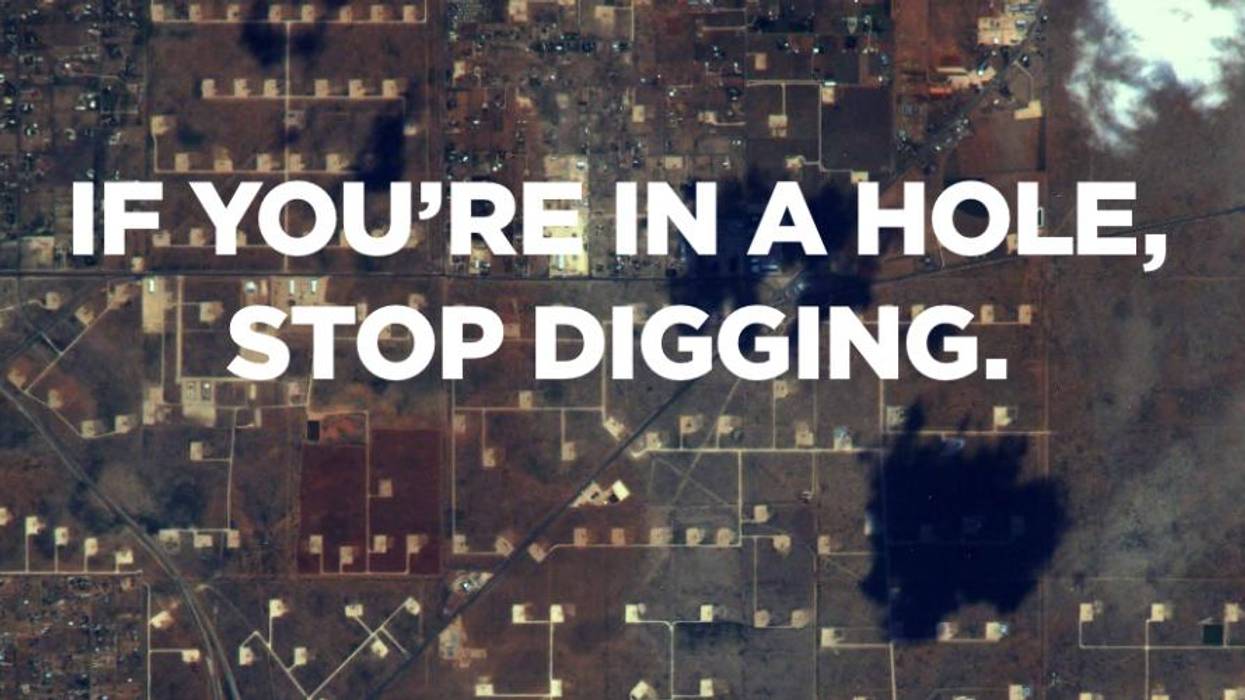
The study comes as a new report from Oil Change International warns the United States is "drilling toward disaster" with fossil fuel expansion, and that if it doesn't rapidly shift course--such as by implementing Green New Deal--the country "will impede the rest of the world's ability to manage a climate-safe, equitable decline of oil and gas production."
The planet, meanwhile, is experiencing the consequences of ongoing fossil fuel production. According to recently published research, the world's oceans are warming about 40 percent faster than scientists believed in 2013, and Antarctica is melting six times more quickly than it was in the 1980s. As oceans and the atmosphere warm, ice melts, and sea levels rise, experts have also warned that extreme weather will grow increasingly more common--and deadly.
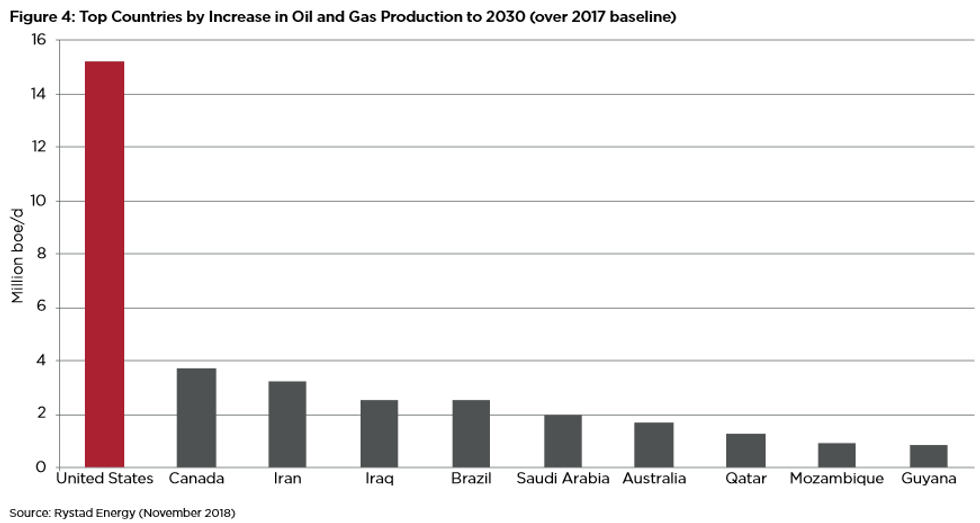
As the scientific community warns the world must dramatically and rapidly slash carbon emissions to avert global climate disaster, the United States is expanding fossil fuel extraction far more quickly than any other nation and is on pace to account for 60 percent of the global growth in oil and gas production between now and 2030.
"We need a complete overhaul of our economy with a Green New Deal, and that overhaul must include standing up to the fossil fuel industry in order to take us off this path of devastation for our climate and communities."
--Kelly Trout, Oil Change International
These are just two alarming findings from a report (pdf) published Wednesday by Oil Change International (OCI), which warns that--unless radical action on the scale of a Green New Deal is taken--U.S. fossil fuel production could single-handedly imperil the world's ability to adequately confront the climate crisis before it's too late.
"Our findings present an urgent and existential emergency for lawmakers in the United States at all levels of government. The oil and gas industry is expanding further and faster in the United States than in any other country at precisely the time when we must begin rapidly decarbonizing to prevent runaway climate disaster," said Kelly Trout, senior research analyst at OCI and co-author of the report, which was produced in collaboration with 350.org, Friends of the Earth, and over a dozen other progressive organizations.
"This report should be a wake-up call for elected officials who consider themselves to be climate leaders," Trout added. "We need a complete overhaul of our economy with a Green New Deal, and that overhaul must include standing up to the fossil fuel industry in order to take us off this path of devastation for our climate and communities. Anything less than a full, swift, and just managed decline of fossil fuel production is too little, too late."
Titled "Drilling Towards Disaster," OCI's report estimates that the continued expansion of massive fossil fuel extraction and pipeline projects throughout the U.S. under President Donald Trump has put the nation on track to account for 60 percent of global growth in fossil fuel production between 2019 and 2030--the year by which United Nations experts say the world must cut carbon emissions in half to avert planetary catastrophe.
According to OCI's research, the U.S. is expanding oil and gas extraction "at least four times more than any other country."
Additionally, the new analysis finds that the United States is on pace to release 120 billion tons of new carbon pollution--"equivalent to the lifetime CO2 emissions of nearly 1,000 coal-fired power plants"--into the atmosphere between 2018 and 2050.
"If not curtailed, U.S. oil and gas expansion will impede the rest of the world's ability to manage a climate-safe, equitable decline of oil and gas production," the report warns.

OCI's report comes just days after new figures from the independent research firm Rhodium Group showed that carbon emissions surged by 3.4 percent in 2018, thanks in part to the Trump Environmental Protection Agency's (EPA) ongoing efforts to roll back regulations aimed at reducing greenhouse gas pollution.
To begin reversing this planet-threatening increase in fossil fuel production--which the Trump administration has gleefully touted as the president denies the human caused-climate crisis--OCI's report offers a series of recommendations that would begin aligning U.S. policy with the urgent demands of the scientific evidence.
These recommendations include:
As Common Dreams has reported, momentum for a Green New Deal has grown throughout the U.S. thanks to persistent organizing and action by the youth-led Sunrise Movement and bold progressives like Rep. Alexandria Ocasio-Cortez (D-N.Y.), who helped push the ambitious proposal into mainstream political discussion.
"Right now, we're on a sinking boat, and instead of just scooping water out, we must take immediate action to patch the hole where it's gushing in."
--Patrick McCully, Rainforest Action Network
According to a survey published in December, 81 percent of Americans support a Green New Deal.
May Boeve, executive director of 350.org, said in a statement that OCI's research "adds even more urgency to the need for a just transition off of fossil fuels to a renewable energy economy."
"To prevent the worst impacts of climate change, we must keep oil, coal, and gas in the ground," Boeve said. "It's time for public officials at every level to follow the lead of communities on the frontlines of the climate crisis and support bold climate policy."
Patrick McCully of the Rainforest Action Network agreed, noting that incremental measures are not nearly enough to sufficiently address the global climate crisis and prevent the worst-case scientific predictions from becoming reality.
"Right now, we're on a sinking boat, and instead of just scooping water out, we must take immediate action to patch the hole where it's gushing in," McCully concluded. "This means we must put a full-stop to fossil fuel expansion, or we all sink into climate chaos. U.S. policymakers--as well as the private sector, like the Wall Street banks that are funding this extraction--must facilitate phasing out extraction while phasing in an equitable transition to renewable energy that supports communities and workers."