SUBSCRIBE TO OUR FREE NEWSLETTER
Daily news & progressive opinion—funded by the people, not the corporations—delivered straight to your inbox.
5
#000000
#FFFFFF
To donate by check, phone, or other method, see our More Ways to Give page.
Eight senators released a broad proposal for immigration reform yesterday. One detail nestled within it was highlighted by Seth Freed Wessler at Colorlines: the proposal includes special treatment for agricultural workers and DREAMers. For farm workers, the proposal states (my emphasis):
[I]ndividuals who have been working without legal status in theUnited States agricultural industry have been performing very important and difficult work to maintain America's food supply while earning subsistence wages. Due to the utmost importance in our nation maintaining the safety of its food supply, agricultural workers who commit to the long term stability of our nation's agricultural industries will be treated differently than the rest of the undocumented population because of the role they play in ensuring that Americans have safe and secure agricultural products to sell and consume. These individuals will earn a path to citizenship through a different process under our new agricultural worker program.
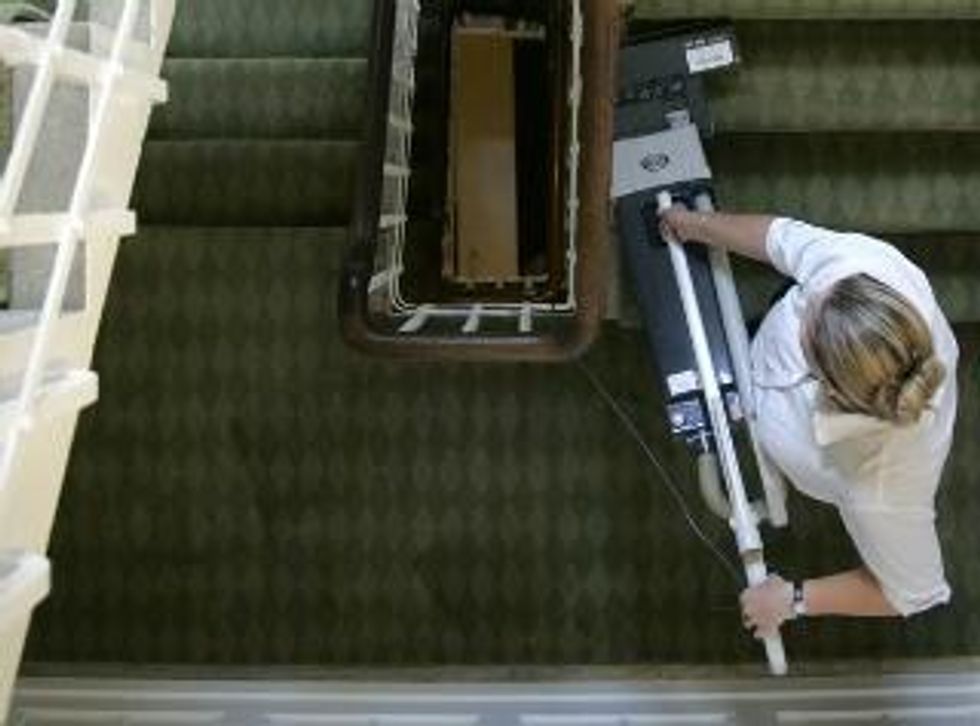
But that very description could apply just as well to another group of workers who are also often undocumented: domestic workers. In its recent report on the domestic workforce, the National Domestic Workers Alliance reports that 46 percent are foreign born and 35 percent are non-citizens. While federal researchers haven't asked about documentation status, the interviews conducted for the report, it notes, "verif[y] that substantial numbers of domestic workers are undocumented immigrants." It found that of the over 2,000 nannies, caregivers and housecleaners it spoke with, 36 percent were undocumented immigrants.
Do domestic workers not perform "very important and difficult work" that is of "the utmost important in our nation"? Without their care, many working parents wouldn't be able to go to work. They helped free up a generation of women, previously relegated to unpaid care work in the home, to enter the office, and we all benefit from that trend. The US economy would be a quarter smaller if women hadn't sought jobs outside of the home. Domestic workers helped (and continue to help) make that possible.
Yet just as with agricultural workers, this work pays poorly. Even worse, the NDWA found a significant wage penalty for being undocumented. Overall, domestic workers who are US citizens have a median $12 hourly wage, but undocumented immigrants are paid $10, a 17 percent difference. For nannies specifically, the penalty is 21 percent. Unsurprisingly, undocumented workers also struggle to get by. Over 60 percent spend more than half of their income on housing, compared to just 50 percent of US born workers, and over half report struggling to pay essential bills, compared to about a third of native born people.
Given the increased fear undocumented workers likely feel of bringing complaints against their employers, they also report higher levels of abuse. About three-quarters have been injured on the job, compared to 54 percent of the US born. Nearly 80 percent have worked while sick, injured or in pain, while 56 percent of native workers have done the same. Undocumented workers are also more likely to be asked to do work outside of their job descriptions or do heavy, strenuous work.
Why were they excluded from the fast track yesterday? Part of it is likely due to the fact that this work is so invisible, taking place in private homes. Is it cynical to also wonder whether the fact that the workforce is 95 percent female has something to do with it? Whatever the reason, domestic workers also deserve national recognition of how vital their work is and to have access to an easier path to citizenship.
Eight senators released a broad proposal for immigration reform yesterday. One detail nestled within it was highlighted by Seth Freed Wessler at Colorlines: the proposal includes special treatment for agricultural workers and DREAMers. For farm workers, the proposal states (my emphasis):
[I]ndividuals who have been working without legal status in theUnited States agricultural industry have been performing very important and difficult work to maintain America's food supply while earning subsistence wages. Due to the utmost importance in our nation maintaining the safety of its food supply, agricultural workers who commit to the long term stability of our nation's agricultural industries will be treated differently than the rest of the undocumented population because of the role they play in ensuring that Americans have safe and secure agricultural products to sell and consume. These individuals will earn a path to citizenship through a different process under our new agricultural worker program.
But that very description could apply just as well to another group of workers who are also often undocumented: domestic workers. In its recent report on the domestic workforce, the National Domestic Workers Alliance reports that 46 percent are foreign born and 35 percent are non-citizens. While federal researchers haven't asked about documentation status, the interviews conducted for the report, it notes, "verif[y] that substantial numbers of domestic workers are undocumented immigrants." It found that of the over 2,000 nannies, caregivers and housecleaners it spoke with, 36 percent were undocumented immigrants.
Do domestic workers not perform "very important and difficult work" that is of "the utmost important in our nation"? Without their care, many working parents wouldn't be able to go to work. They helped free up a generation of women, previously relegated to unpaid care work in the home, to enter the office, and we all benefit from that trend. The US economy would be a quarter smaller if women hadn't sought jobs outside of the home. Domestic workers helped (and continue to help) make that possible.
Yet just as with agricultural workers, this work pays poorly. Even worse, the NDWA found a significant wage penalty for being undocumented. Overall, domestic workers who are US citizens have a median $12 hourly wage, but undocumented immigrants are paid $10, a 17 percent difference. For nannies specifically, the penalty is 21 percent. Unsurprisingly, undocumented workers also struggle to get by. Over 60 percent spend more than half of their income on housing, compared to just 50 percent of US born workers, and over half report struggling to pay essential bills, compared to about a third of native born people.
Given the increased fear undocumented workers likely feel of bringing complaints against their employers, they also report higher levels of abuse. About three-quarters have been injured on the job, compared to 54 percent of the US born. Nearly 80 percent have worked while sick, injured or in pain, while 56 percent of native workers have done the same. Undocumented workers are also more likely to be asked to do work outside of their job descriptions or do heavy, strenuous work.
Why were they excluded from the fast track yesterday? Part of it is likely due to the fact that this work is so invisible, taking place in private homes. Is it cynical to also wonder whether the fact that the workforce is 95 percent female has something to do with it? Whatever the reason, domestic workers also deserve national recognition of how vital their work is and to have access to an easier path to citizenship.
Eight senators released a broad proposal for immigration reform yesterday. One detail nestled within it was highlighted by Seth Freed Wessler at Colorlines: the proposal includes special treatment for agricultural workers and DREAMers. For farm workers, the proposal states (my emphasis):
[I]ndividuals who have been working without legal status in theUnited States agricultural industry have been performing very important and difficult work to maintain America's food supply while earning subsistence wages. Due to the utmost importance in our nation maintaining the safety of its food supply, agricultural workers who commit to the long term stability of our nation's agricultural industries will be treated differently than the rest of the undocumented population because of the role they play in ensuring that Americans have safe and secure agricultural products to sell and consume. These individuals will earn a path to citizenship through a different process under our new agricultural worker program.
But that very description could apply just as well to another group of workers who are also often undocumented: domestic workers. In its recent report on the domestic workforce, the National Domestic Workers Alliance reports that 46 percent are foreign born and 35 percent are non-citizens. While federal researchers haven't asked about documentation status, the interviews conducted for the report, it notes, "verif[y] that substantial numbers of domestic workers are undocumented immigrants." It found that of the over 2,000 nannies, caregivers and housecleaners it spoke with, 36 percent were undocumented immigrants.
Do domestic workers not perform "very important and difficult work" that is of "the utmost important in our nation"? Without their care, many working parents wouldn't be able to go to work. They helped free up a generation of women, previously relegated to unpaid care work in the home, to enter the office, and we all benefit from that trend. The US economy would be a quarter smaller if women hadn't sought jobs outside of the home. Domestic workers helped (and continue to help) make that possible.
Yet just as with agricultural workers, this work pays poorly. Even worse, the NDWA found a significant wage penalty for being undocumented. Overall, domestic workers who are US citizens have a median $12 hourly wage, but undocumented immigrants are paid $10, a 17 percent difference. For nannies specifically, the penalty is 21 percent. Unsurprisingly, undocumented workers also struggle to get by. Over 60 percent spend more than half of their income on housing, compared to just 50 percent of US born workers, and over half report struggling to pay essential bills, compared to about a third of native born people.
Given the increased fear undocumented workers likely feel of bringing complaints against their employers, they also report higher levels of abuse. About three-quarters have been injured on the job, compared to 54 percent of the US born. Nearly 80 percent have worked while sick, injured or in pain, while 56 percent of native workers have done the same. Undocumented workers are also more likely to be asked to do work outside of their job descriptions or do heavy, strenuous work.
Why were they excluded from the fast track yesterday? Part of it is likely due to the fact that this work is so invisible, taking place in private homes. Is it cynical to also wonder whether the fact that the workforce is 95 percent female has something to do with it? Whatever the reason, domestic workers also deserve national recognition of how vital their work is and to have access to an easier path to citizenship.